directed by brian yuzna
wild street pictures/re-animator iI productions
 Even before the extravagant reprise of the first film’s opening credits sequence, I feared that this picture would be too obviously a sequel, as all the signs were there. Indeed, moments of one-upmanship pertaining to certain effects, scenarios and locations are present throughout, but the director mostly manages to evade scenes of blatant repetition and also avoids the cardinal sin of reductionism. Even so, at moments it threatens to get a little too cutesy, the parallelism to Bride of Frankenstein doesn’t quite work, and the inclusion of Dr. Hill’s head at times feels forced (and for a while appears to have been forgotten). When things really get dicey near the ending, however, it is about as uncomfortably eerie and threatening as one could reasonably hope from a Lovecraft adaptation, and it succeeds, humor and all. I did not expect this one to be this good – and maybe it isn’t – but Jeffrey Combs delivers enough of a tour de force to make fine assessment meaningless.
why did i watch this movie?
The original was terrific, and I’m still catching up on the 1990s.
should you watch this movie?
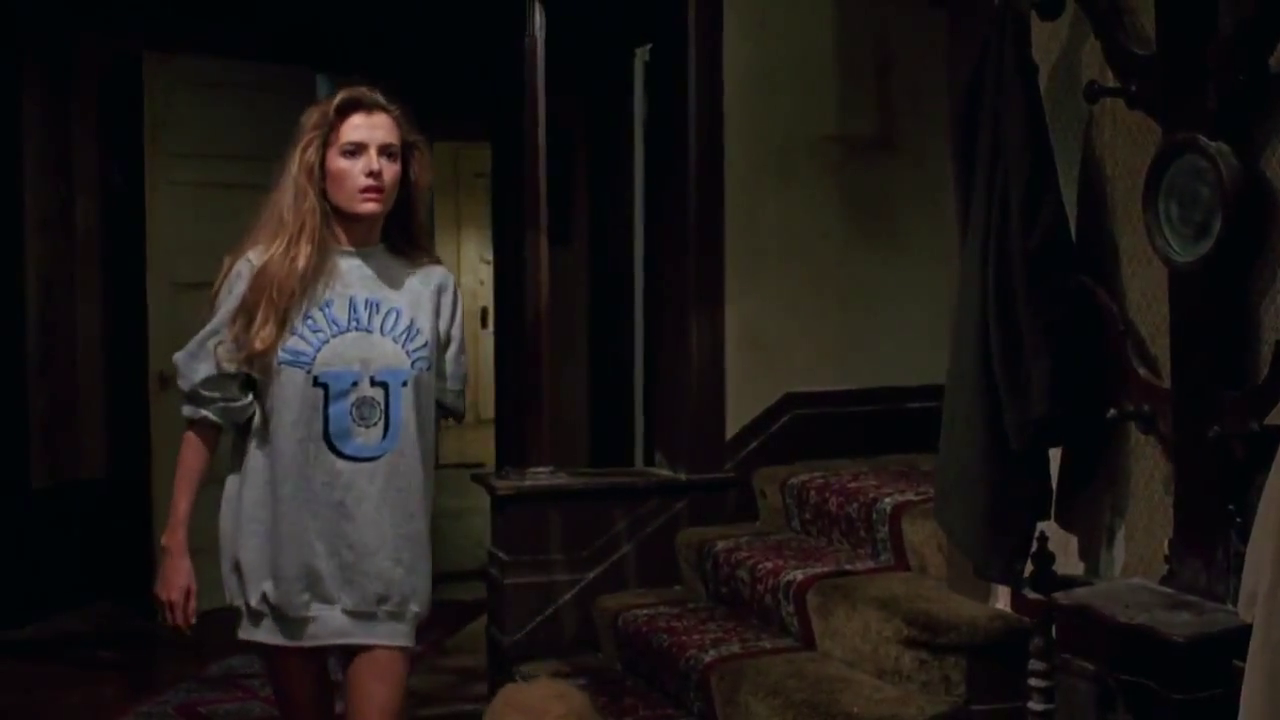
Respectable or not, it IS a sequel.
highlight and low point
The portrayal of Herbert West, as noted above, is splendid, and one observation he deadpans in the latter portion of the flick is laugh-out-loud funny. Bruce Abbott and Claude Earl Jones also deliver worthy performances. Strong motivation is lacking on behalf of many of the characters, though, and if you’re not caught up in the zaniness, you might begin to see right through the flimsy premise.
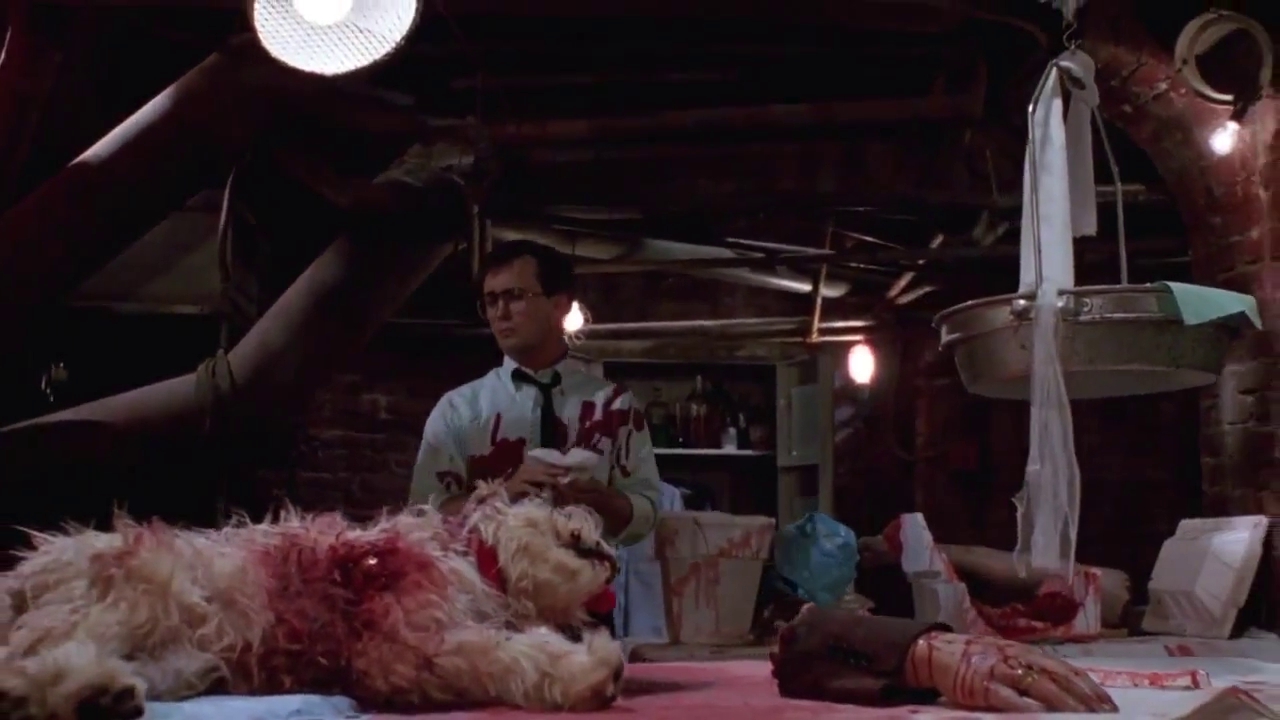
I mean, presuming you’d be of a mind to take a production of this nature that seriously.
rating from outer space: B+

the credits thank “Mary Wollenscraft Shelly”
(and Tenzing Norgay)


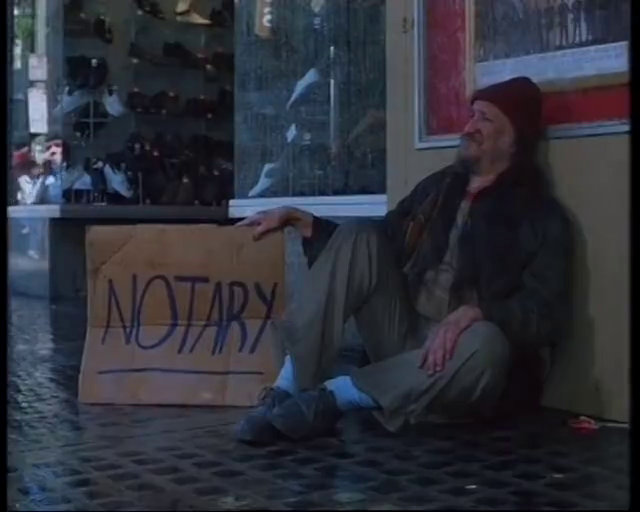
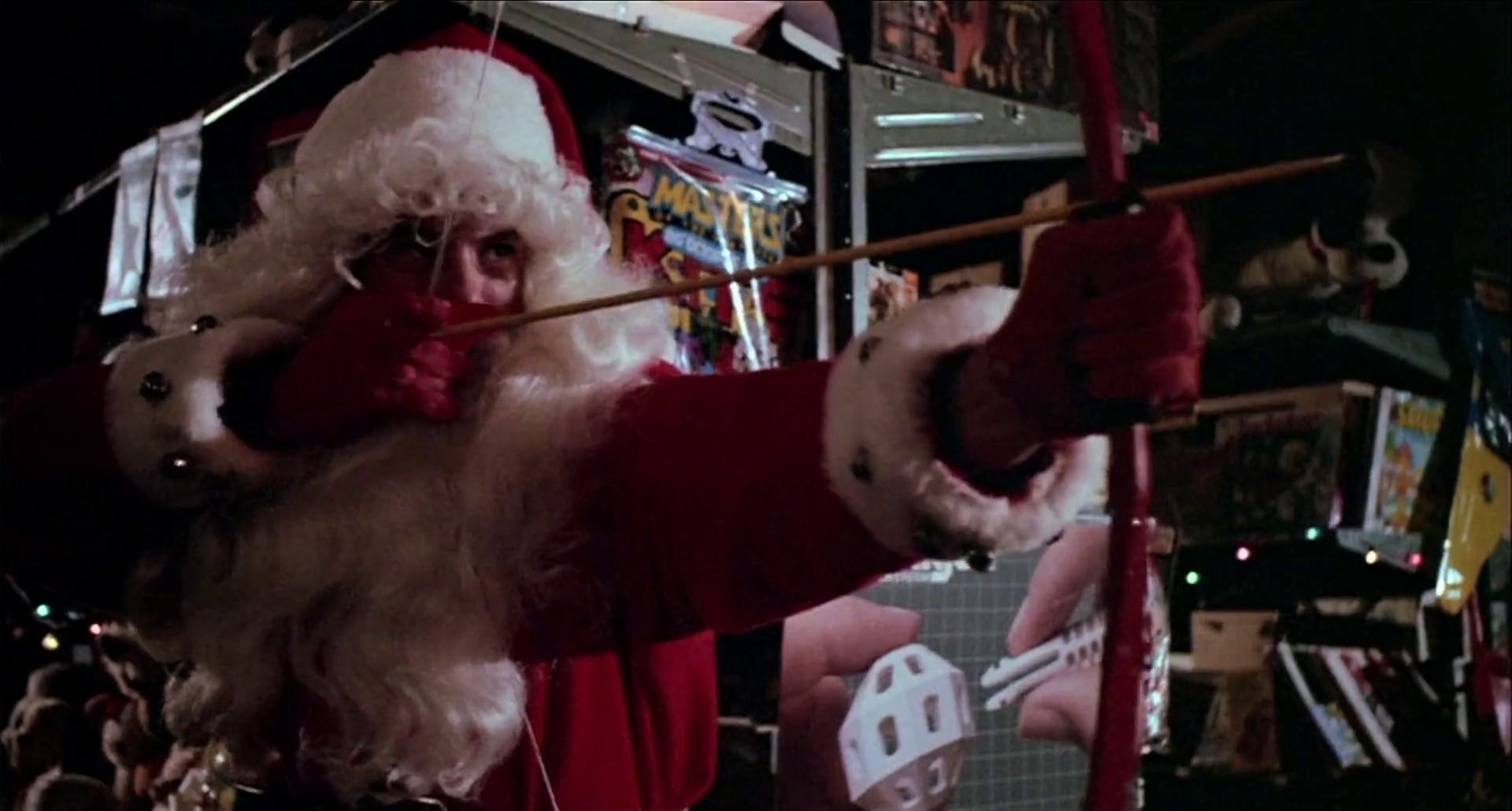

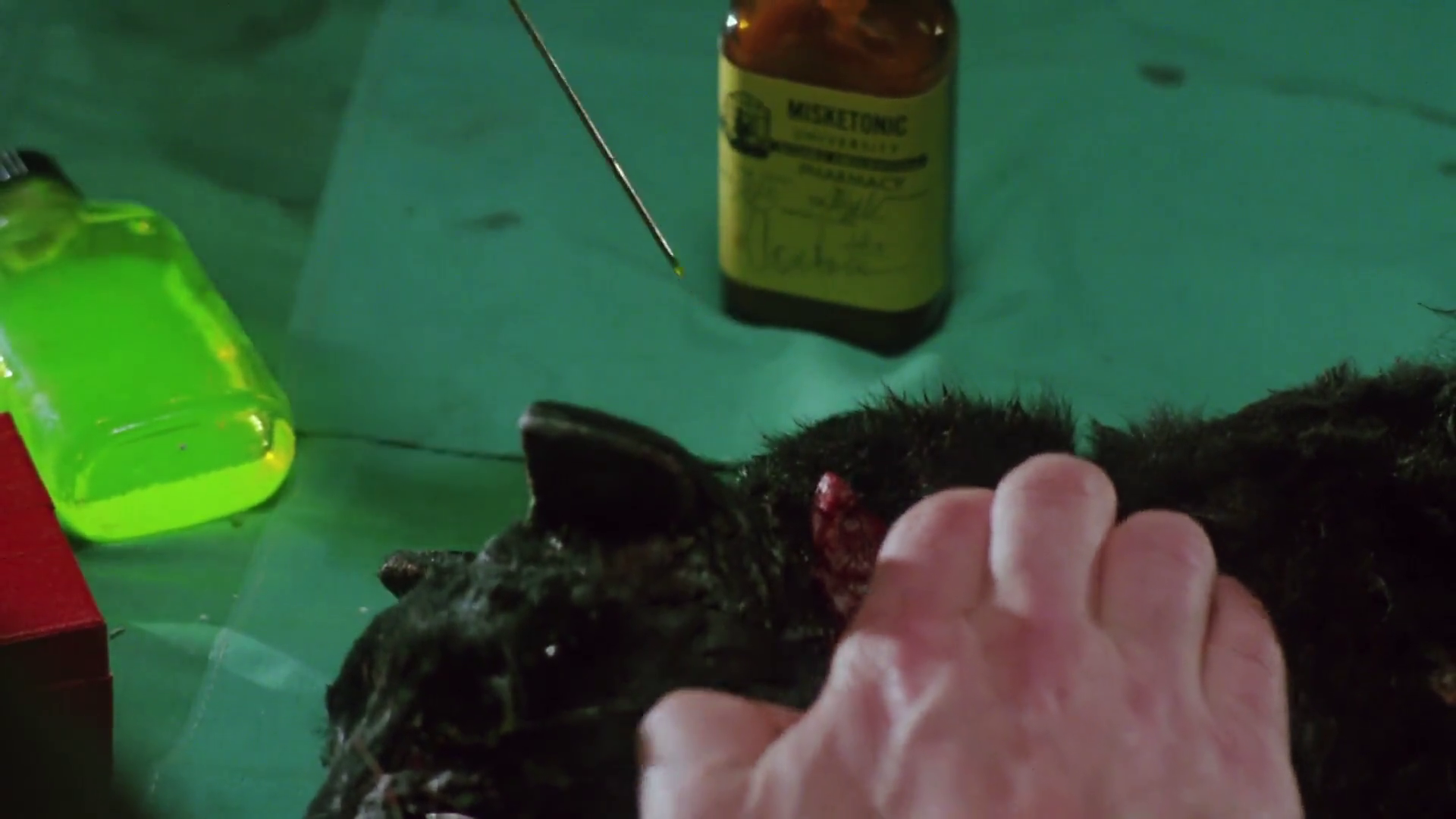
 I was more or less suffering my way through this at times excruciatingly hackneyed low-budget independent feature originally titled “Eat Your Heart Out” when an unexpected thing occurred – one of the funniest scenes I’ve enjoyed in a movie in quite a long time. This got me thinking about a number of concepts. One was why I stuck with this video production despite its obviously amateurish sheen, when with many others I never bothered to outlast the opening moments; another was why I wasn’t interested in panning the outcome. The simplest and most honest answer is to admit I’m not sure, but maybe it comes down to the fact that though this film is often hampered by scenes and dialogue that seem to be included mainly because such scenes and dialogue are what you get in a “movie” – often the case with this sort of picture – it isn’t held back by attempts at lowbrow appeal. Neither is it too self-conscious of being a friends-and-family kind of affair. Plus, the storyline is fairly creative. I was surprised, however, to find that the director has helmed a long list of projects.
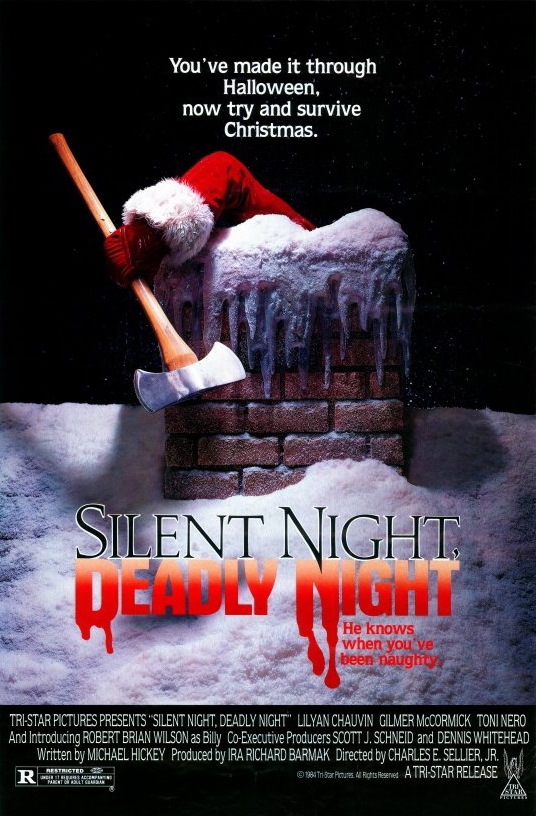
 All right, so retconning this flick to be the sort-of “sequel” to the 1974 original makes sense. It’s at least half great: the first 45 minutes of this black horror comedy work well as a pastiche of the first go-round, with the added amusement of more modern horror motifs … which are basically updates of the original’s template anyway. Both unsettling and darkly humorous – much as the debut was meant to be, and
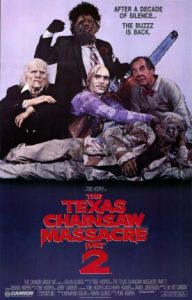 Hey, a new competitor for worst movie on this site! For some reason turning one of the best and most impactful horror movies ever made into an extended bout of broadly drawn “humor,” aggravating characterizations, little plot and no point, TCM2 is a chore to endure. Insulting in its carelessness, this flick only could have been more of a cartoon had The Mystery Machine appeared. (Much of the action takes place in an abandoned amusement park, for crying out loud. Where were the Harlem Globetrotters and Phyllis Diller?) Leatherface – sorry, “Bubba” – is reminiscent of Fred Gwynne as Herman Munster, which is not a compliment, much as Bill Moseley’s horrible character seems to have presaged alleged funnyman Jim Carrey’s equally irritating “Fire Marshall Bill.” (And in actuality was a template for Michael Keaton’s Betelgeuse.) Meanwhile, Dennis Hopper spends the first half of the film not even pretending he gives half a damn and the second half hamming it up wildly. Mr. Hooper allegedly wanted to compensate for the audience’s not recognizing the black humor in the original, but this extremely stupid and classless farce raises the question whether his first attempt was just a happy accident. Also commits the sequel’s sin of reductionism while simultaneously destroying continuity – a hapless combination. And the FX suck, too. Excruciating and disgraceful.
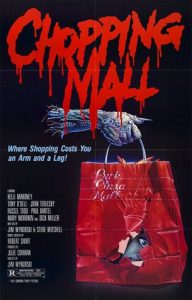 It’s a shame SPACE RATS has this capsule format, because the old me could’ve written thousands of words on the sociocultural implications of this classic. (The old me was a blast at parties.) That being said, it must be allowed that this is very nearly the perfect schlock horror creation. It’s a little too knowing, but it was produced by Julie Corman, husband of Roger, and if your producer’s last name is synonymous with the genre – having more or less invented it – that may be hard to avoid. To be clear, this isn’t really much of a “horror” picture, either, and the revamped title (it was initially called “Killbots” for theatrical release) is wildly misleading, as no “chopping” occurs. The rogue security robots, however, are a delightful mixture of Battlestar Galactica Cylons and the Stern Electronics arcade game Berzerk, and a clear precursor to elements soon to be seen in RoboCop as well. The acting is wooden at times, the dialogue obvious and stilted, the continuity questionable and the FX often hilarious, but when the day is saved by … explosive paint? Well, you’ve got a cult smash on your hands, and deservedly so.
  A tale of Nature Gone Horribly Wrong, this likable B-movie set in America but filmed in New Zealand proudly blares its very ’90s soundtrack whenever possible. But after dispensing with its Meet Cute (well, sort of; it involves both a dead engine and a dead pet), this chipper horror comedy rather quickly started reminding me of the legendary cult favorite Tremors. Then a completely unexpected detour occurs, and although it’s short and ultimately slight, the film never seems to regain its bearings. From that point onward, the action escalates, things keep exploding, and the characters, finding themselves in one impossible situation after another, seem to devolve as the creatures they’re battling keep rapidly adapting. Maybe that’s supposed to be a parallel. Or a paradox. Whatever it is, it becomes difficult to tell what the producers wished to achieve. Unless it was to remind one of Tremors. It ends abruptly.
 Also known, in the United Kingdom at least, as Harpoon: Reykjavik Whale Watching Massacre – probably to distinguish it from all the other movies titled “Harpoon” or because “Reykjavik Whale Watching Massacre” wasn’t a descriptive enough title for a movie about a massacre that takes place during a whale-watching expedition in the waters around Iceland – RWWM is a odd little slice of bad tidings. It’s also funny, after a fashion; the term used could be “black humor” were it not quite so ill-mannered or misanthropic. Actually, one of the most interesting things about this exercise in callous, gratuitous cruelty is how the alleged humor is played – very offhandedly, for the most part. By this I mean there’s no setup and no reaction to any of the moments of presumable mirth; they’re just a part of the mélange. It’s quite an approach, and adds an appealing touch of cinéma vérité to a picture that probably doesn’t warrant it. Not as much of a feel-good film as one might expect from the uplifting title.
 SPACE RATS From Outer Space