directed by james whale
universal pictures
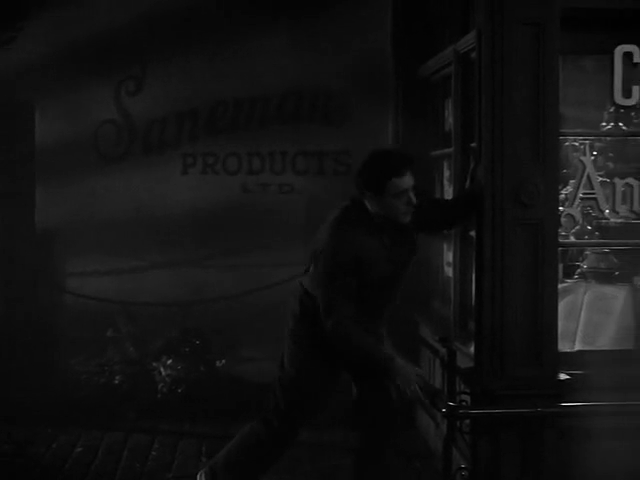
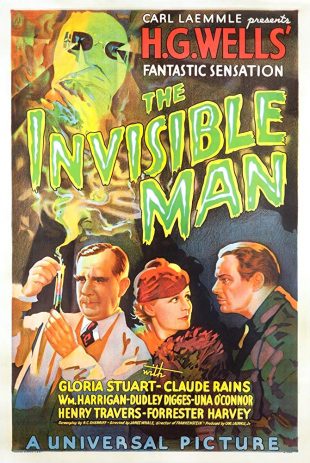 Although hampered at times by a bit of slapstick and what feels like leftover vaudeville attributes, and a little too enamored of the photographic trickery by which the effects of the invisible antagonist are achieved – though it’s hard to fault them for that – this SF tale of the inexplicable manages both to convey more tension than you might figure and to be downright creepy at times. When the title character first reveals his condition, it’s pretty disturbing, even as you are obviously prepared for it 85 years later. And at least one other scene along the way provides more than a bit of a shock, albeit tempered a bit by the fact that it is unmistakably done with miniatures. Claude Rains gets top billing for a role which he performs mostly by voice alone, and his dialogue ratchets up the intensity and insanity as this picture progresses. All in all, this one rather deservedly can be called a classic, and remains a significant precursor to more than one film genre.
why did i watch this movie?
The Invisible Man occupies the second slot on Johnny Ramone’s top 10.
should you watch this movie?
In discussing classic horror with others, it repeatedly arose that most had never seen this picture. I hadn’t, either, and honestly never had much interest, figuring I was familiar with the story – despite the fact that I’d also never read the novel. I’m glad I’ve now rectified this oversight.
highlight and low point
As alluded above, a few too many shots here feature things flying around by themselves and people reacting in astonishment or fright. The representation of malevolence by the title character reaches the pinnacle, highlighted by curt pronouncements such as “At 10 o’clock tomorrow night, I shall kill you.”
rating from outer space: B+
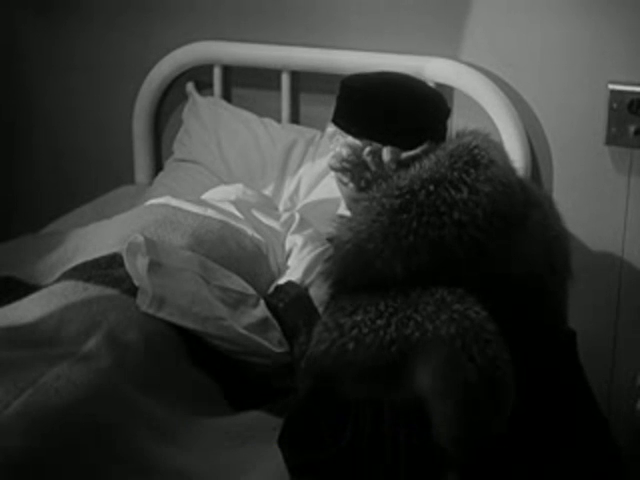
a poignant deathbed scene
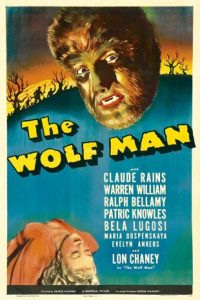 Not only is this movie not frightening in the least, this reviewer has no idea how or why it has been lauded through the decades as even a competent endeavor, much less an estimable one. Did I say “not frightening”? It’s completely ridiculous, helped in no way by the laughable attempt at dramatics presented by Lon Chaney, Jr. Let me emphasize the generational suffix; this is not the lauded “Man of a Thousand Faces,” it’s his son, who benefits from this picture’s dime-store makeup disguising his general inability to act naturally. Also not helping: the entire film is very obviously shot on the studio lot. Additionally, it’s dismaying to be treated to no shots of Larry Talbot’s transformations. (Those scenes take place in the various sequels.) A “B” picture through and through, presented such that even the underlying existential crisis isn’t at all provocative.

 SPACE RATS From Outer Space