directed by larry cohen
hemdale film corporation/larjan
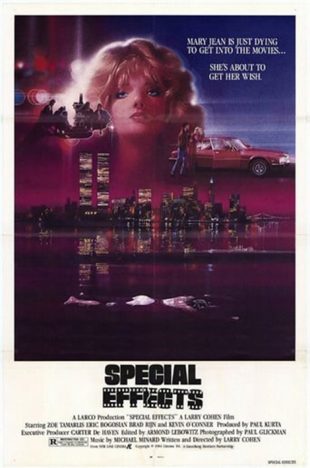 More of a suspenseful meta dramedy than a horror film as such, this flick made me wonder how insufferable Eric Bogosian is in real life, as he was really, really good at portraying a total asshole here in his first cinematic lead role, as he also would prove to be a few years hence in Oliver Stone’s Talk Radio – adapted from the stage play Bogosian himself wrote. It also made me wonder what I would feel if I set foot in New York City again, since it’s been so long and so many things have changed so much since last I felt at home there. This tale of a murder disguised (hopefully) as a movie thinks it’s making all sorts of statements about the film industry and aspirant lives shooting for stardom and, you know, Art, and probably a bunch of other stuff, too, but I’m pretty sure the filmmaker just wanted to be clever about his Art. He sort of succeeds in making everything exponentially self-referential, but ultimately, nothing here really walks up and introduces itself. The exception may be the domicile of artist Lowell Nesbitt, where a lot of the action is filmed. Damn but the Art Scene in New York was a profitable one.
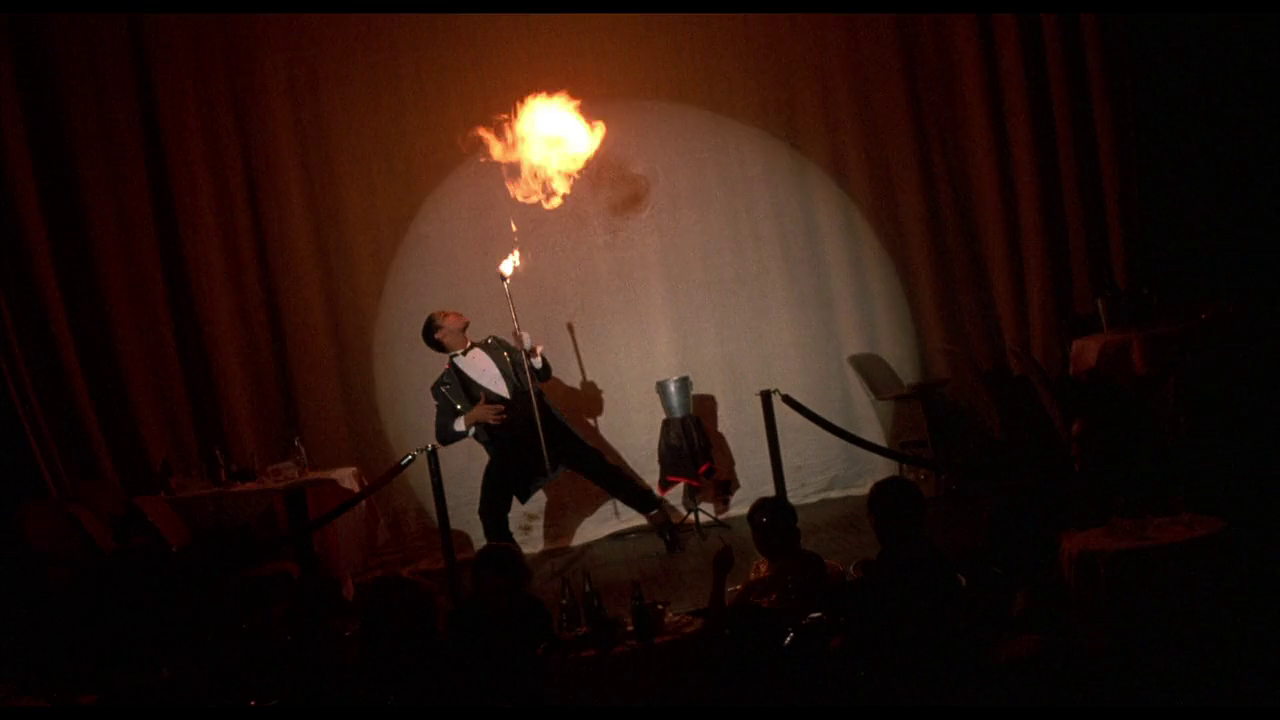
«no entiendes»
why did i watch this movie?
A reference to Cohen’s concurrent release Perfect Strangers opined this was a better option. And I’ve been meaning to watch his A Return to Salem’s Lot.
should you watch this movie?
Cohen has a bizarre and somewhat notorious filmography that may interest you.
highlight and low point
The actress who plays the dual lead female role, credited here as Zoe Tamerlis, dominates this category once you realize she was something of an advocate for heroin. (A bold stance, to be sure.)
She died two months after her 37th birthday.
Rating from outer space: B−
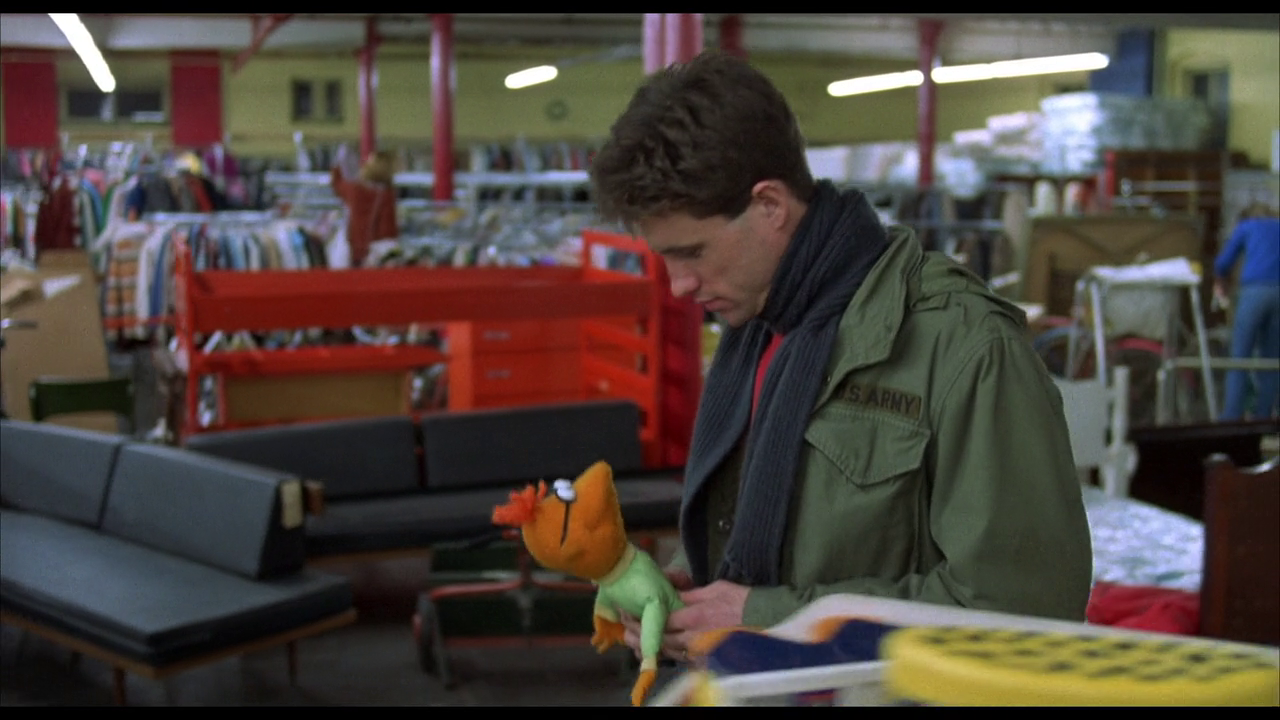
but do they have the Miss Piggy
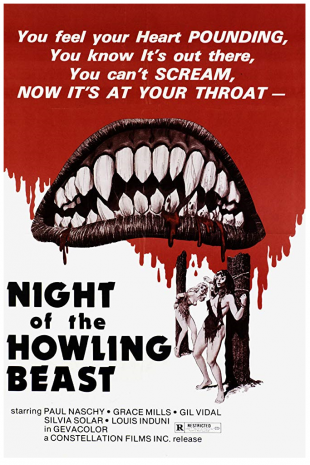


 Actually directed by
  Abel Ferrara’s non-pornographic feature-length directorial debut, in which he also stars under a pseudonym as the main character, a struggling-artist type in the Big City. With two female roommates – one of whom is apparently married and affluent, the other of which is, like, spaced out, man. (The roommates have a shower scene, because it’s very important to the plot.) Of the plot, it must be said, there is one: Reno, the artist, is working on a painting he hopes to sell to the gay art dealer he dislikes but nonetheless depends on, because Reno has no money. Meanwhile, a band called Roosters moves into his same tenement building and practices their discordant off-key blues-influenced new wave at all hours. Naturally, he starts killing derelicts with a power drill. Then things start to go awry. The best parts of this movie are the Roosters, whose music is chaotic and senseless and not “good,” and the utter zeal with which the drill killings are performed. Abel Ferrara: we need filmmakers like him.
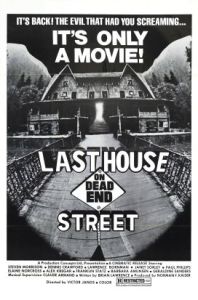 This early faux snuff film (initially screened under different titles in 1973 and 1975) is a chore to sit through, honestly, mostly due to the dialogue and the “experimental” camera usage. The story of a ne’er-do-well jailbird who decides to become an auteur filmmaker, and to utilize, uh, excessive realism – either to show up pretension in the movie world or just because people are jerks and deserve it, man – Last House boasts recurring scenes as well as at least one scene that goes on for way too long. Even for a fairly short film, elements of this one drag. The lead actor/director’s performance is eerily reminiscent of Meat Loaf’s as “Eddie” in The Rocky Horror Picture Show, however, and if people still use “samples” in their music or multimedia, one of his repetitious rants would make a great one.
 SPACE RATS From Outer Space