directed by jeffrey obrow & stephen carpenter
jeff obrow productions/film ventures international
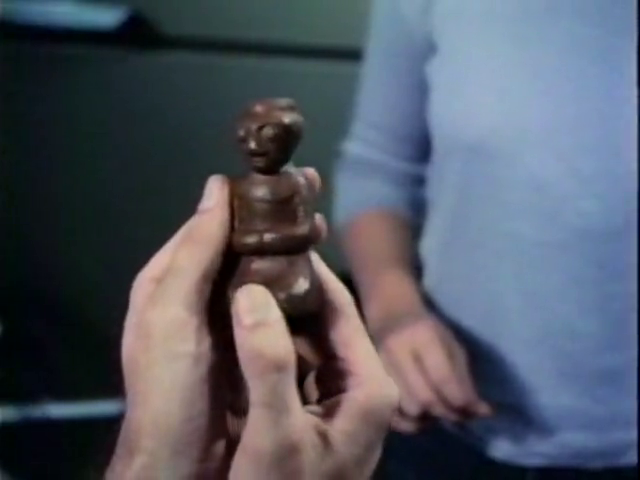
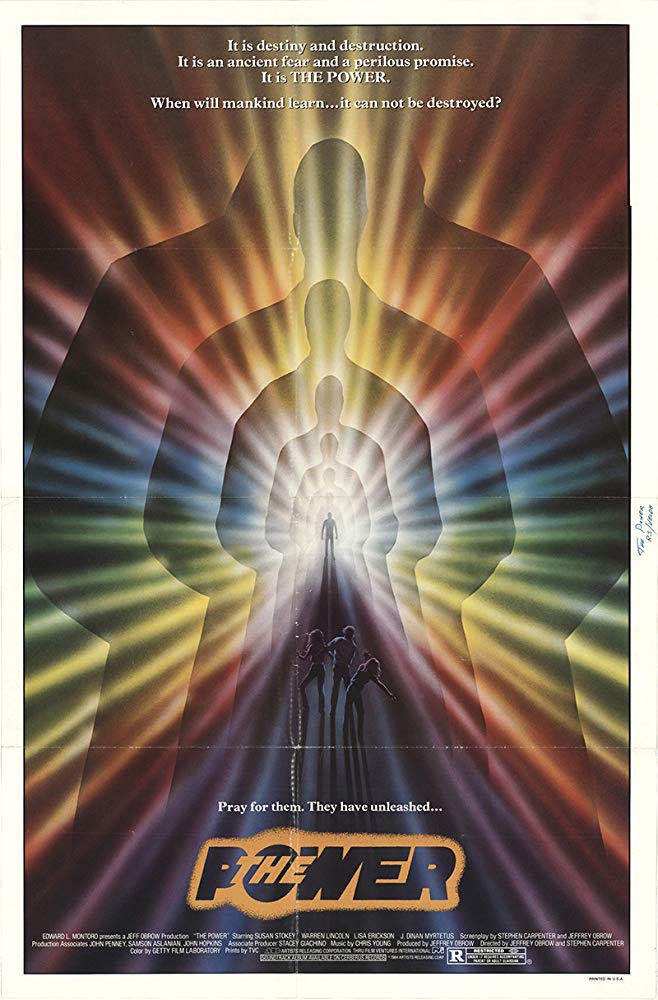 Not at all credible, yet oddly captivating, this barely known film is an overlooked gem. Hmm, maybe that’s the work of fake Aztec deity Destacatyl, the enslaving god whose power gives this film its name, and apparently will kill whomever tries to control it. This, despite inhabiting a statuette only a few inches tall which vaguely resembles a Mrs. Butterworth (or Aunt Jemima) figurine. Seriously, though, this picture is actually pretty good. Sometimes, just the fact that the cast and crew believe in their creation can be enough, and the actors here are fully invested despite some of the production’s shortcomings. Allegedly released theatrically, distributed straight to video, I can only imagine that this movie never found a larger audience because it lacks for some important touchstones of its era. No nudity, not much in the way of gore, no slasher signifiers, no rockin’ soundtrack … it was doomed to obscurity, but it didn’t really deserve that fate.
why did i watch this movie?
With a nondescript name and a synopsis about possession via a cursed ancient totem or some such, I just HAD to know more.
should you watch this movie?
Well, do you have any better ideas?

highlight and low point
The storyline here revolves around a small-town newspaper with somewhat peculiar standards, and includes breathless dialogue such as, “You know, I remember a time when Sandy McKennah woulda jumped at a story like this.” The story, mind you, involves an unstable supernatural entity with inscrutable requirements for worship and a penchant for trashing rooms, not to mention multivarious physical effects on his or her presumptive adherents – but it’s no less believable than the high dudgeon expressed by Ms. McKennah whenever her journalistic standards are threatened by the suggestion that The Power is real.


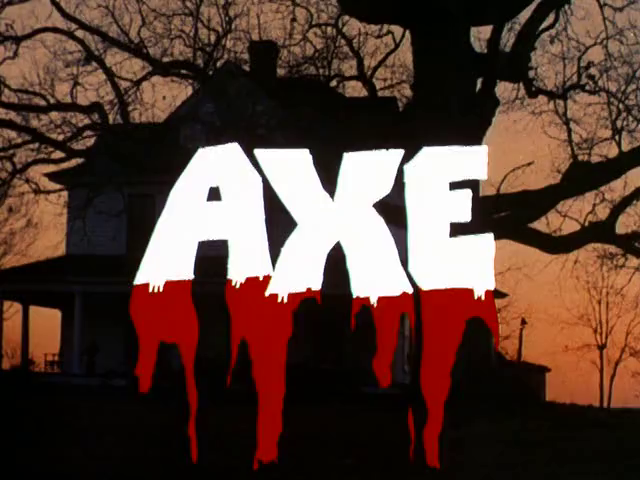

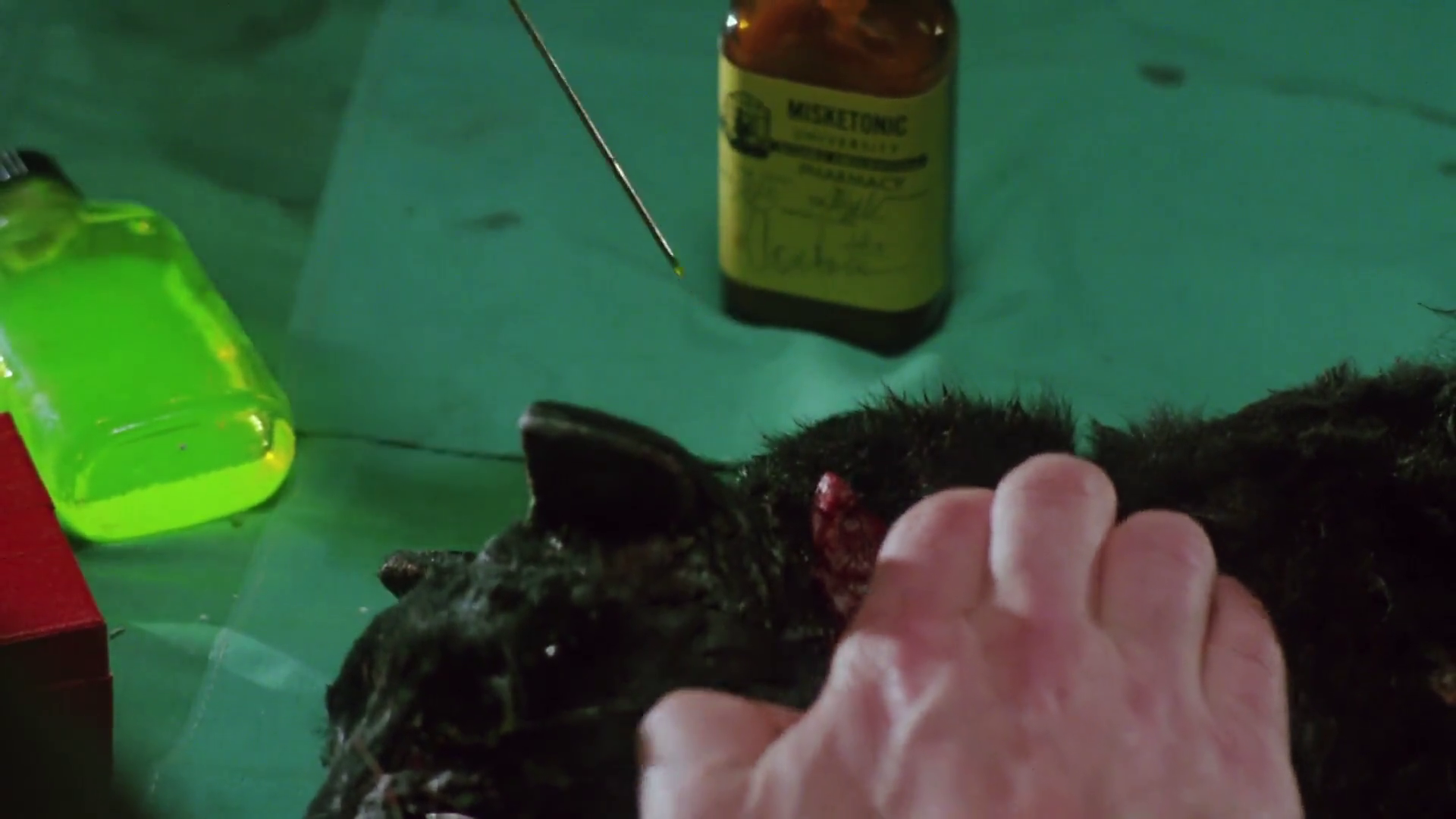



 So many titles and so many threatening adverts for such a tepid plod whose only semblance of tension arises from the wait for occasional actress and future lad-mag model Andrea Allan to disrobe. Who’s the killer, you might wonder for an idle minute, correctly identifying the obvious attempts at misdirection, and also realizing that you don’t much care so long as you’re assured the picture will be ending. When it does reach that ending, full dark night abruptly shifts to very bright daytime. Clearly, the filmmakers wanted to get it over with, too. Perhaps this is why they don’t bother tying up any loose ends … such as letting us in on why our heroine got
 involved
  The second murder scene is pretty intense, I suppose, but by that point it isn’t even interesting enough to sustain one’s attention. Some of the leftover mod touches of a foundering Swinging London are amusing. A tangential subplot involving pigeons goes absolutely nowhere. Yes, pigeons.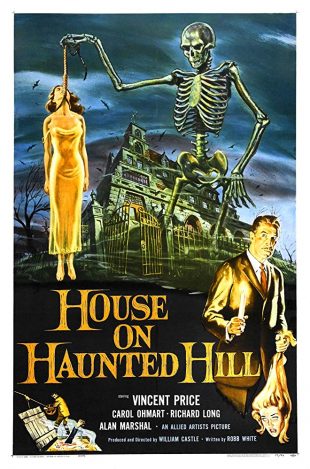


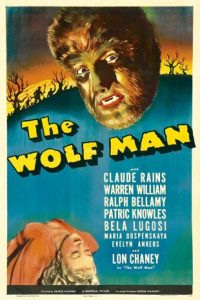 Not only is this movie not frightening in the least, this reviewer has no idea how or why it has been lauded through the decades as even a competent endeavor, much less an estimable one. Did I say “not frightening”? It’s completely ridiculous, helped in no way by the laughable attempt at dramatics presented by Lon Chaney, Jr. Let me emphasize the generational suffix; this is not the lauded “Man of a Thousand Faces,” it’s his son, who benefits from this picture’s dime-store makeup disguising his general inability to act naturally. Also not helping: the entire film is very obviously shot on the studio lot. Additionally, it’s dismaying to be treated to no shots of Larry Talbot’s transformations. (Those scenes take place in the various sequels.) A “B” picture through and through, presented such that even the underlying existential crisis isn’t at all provocative.

 SPACE RATS From Outer Space