written and directed by pascal laugier
eskwad/wild bunch/tcb film/canal+/cinÉcinÉma
 After this film finally ended, I started writing a polemic on what I condemned as its senseless brutality, its transgressive excesses flaunted purely for their own sake, its purposeless exhibition of sickening abuse, its obscenity.
Morning found me still pondering what I’d seen, contemplating the motive behind the disturbing displays, so I read a lot about it, including an enlightening interview with the director. Along the way, I realized a positive critical appraisal of “New French Extremity” films, several of which I’d enjoyed, had suckered me into seeing a picture I’d scrupulously avoided for a decade,
Martyrs is a vile movie, full of sadistic horrors and irredeemable suffering and graphically unsettling trauma and grievous bodily harm inflicted upon a guileless young woman. The first half is only intermittently assaultive – nothing too out of the ordinary – but as the second half began, I had a sinking feeling, which proved prescient. It definitely goes too far, and it’s hard to find justification for what occurs. What reason could there be for grotesquely prolonged images of torture of an innocent, you might wonder.
The Laugier interview helped. Some things are indelible, though.
why did i watch this movie?
Mea culpa. I tend to favor productions that feature people doing horrible things to others. This selection has me questioning myself.
should you watch this movie?
Look, this picture’s culminating moment is a woman being flayed alive … but by that point the savagery inflicted upon her has been so objectionable it may barely register. You have been warned.
highlight and low point
It’s provocative, I’ll give it that. As to my charge of “obscenity,” French film commissars originally concurred, rating it 18+, though it was lowered to 16+ after intervention from a filmmakers society, a journalists’ union and the Minister of Culture.
rating from outer space: B



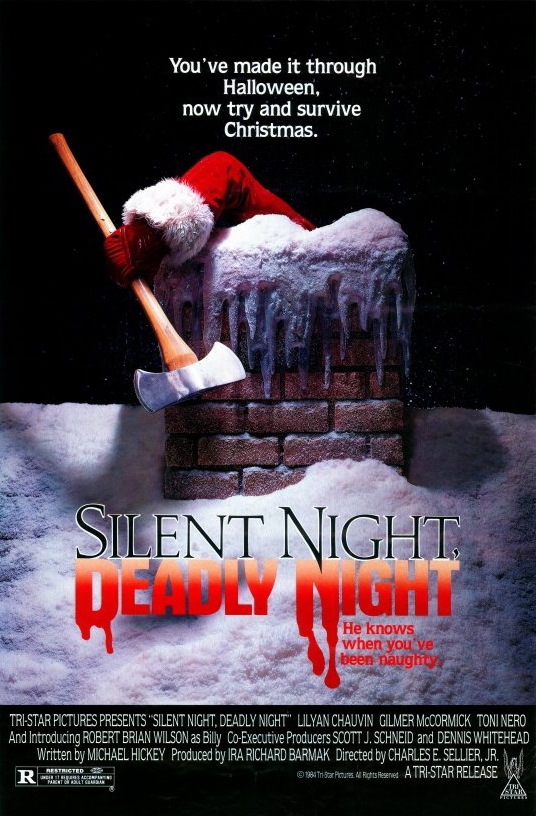
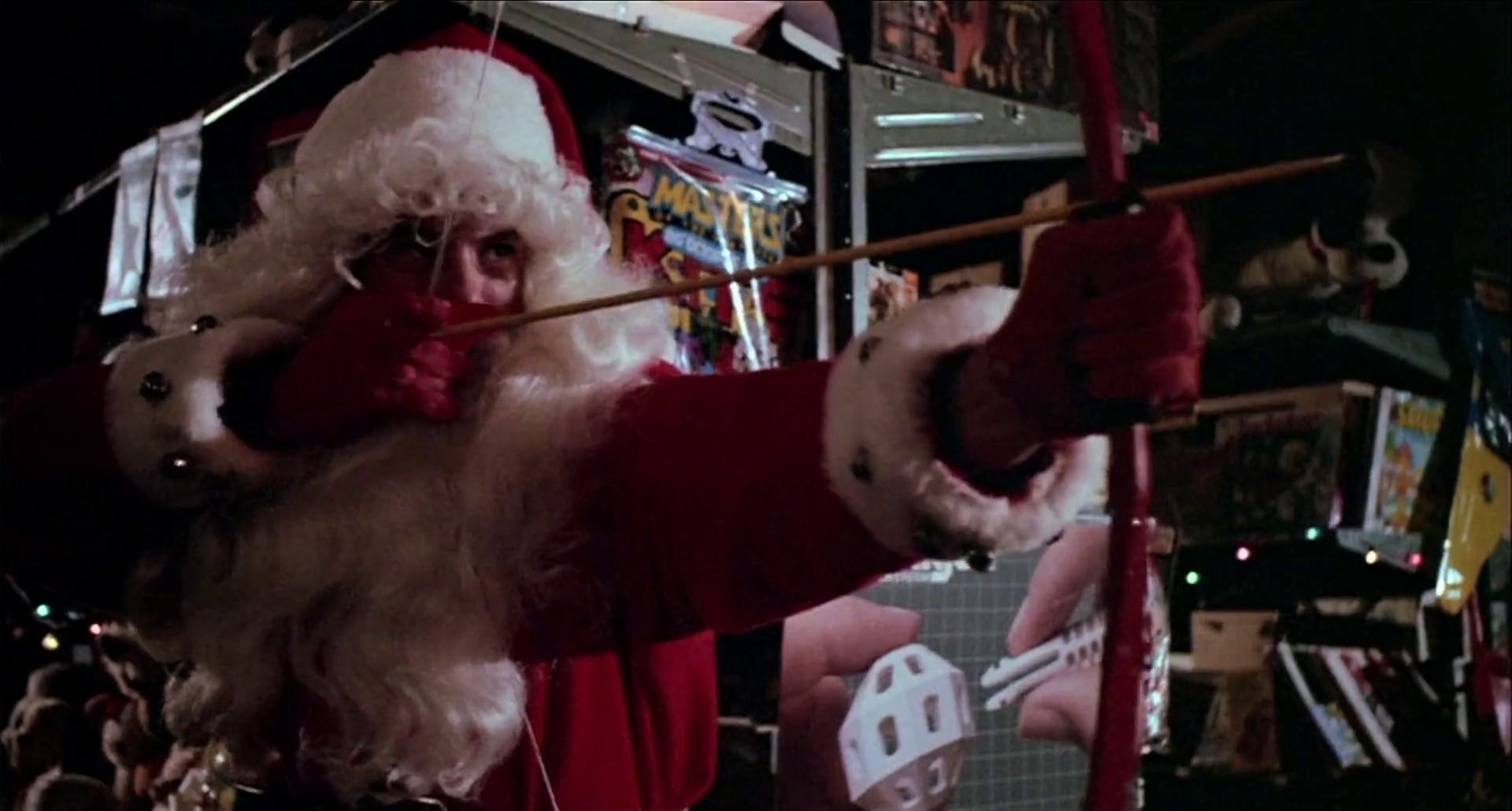


 So many titles and so many threatening adverts for such a tepid plod whose only semblance of tension arises from the wait for occasional actress and future lad-mag model Andrea Allan to disrobe. Who’s the killer, you might wonder for an idle minute, correctly identifying the obvious attempts at misdirection, and also realizing that you don’t much care so long as you’re assured the picture will be ending. When it does reach that ending, full dark night abruptly shifts to very bright daytime. Clearly, the filmmakers wanted to get it over with, too. Perhaps this is why they don’t bother tying up any loose ends … such as letting us in on why our heroine got
 involved
  The second murder scene is pretty intense, I suppose, but by that point it isn’t even interesting enough to sustain one’s attention. Some of the leftover mod touches of a foundering Swinging London are amusing. A tangential subplot involving pigeons goes absolutely nowhere. Yes, pigeons.
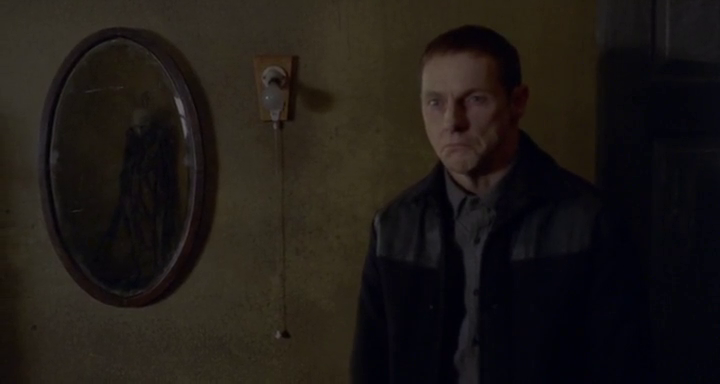
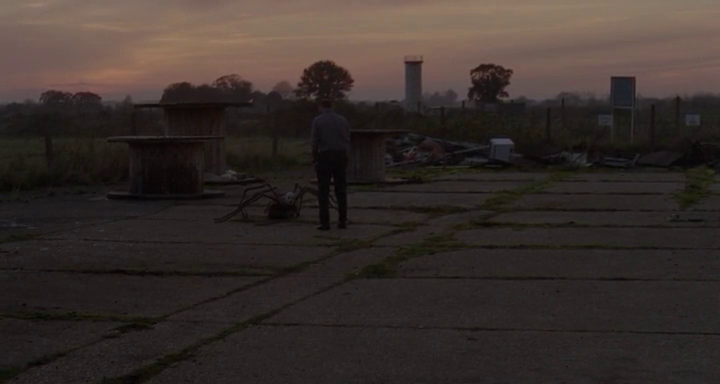
 I was more or less suffering my way through this at times excruciatingly hackneyed low-budget independent feature originally titled “Eat Your Heart Out” when an unexpected thing occurred – one of the funniest scenes I’ve enjoyed in a movie in quite a long time. This got me thinking about a number of concepts. One was why I stuck with this video production despite its obviously amateurish sheen, when with many others I never bothered to outlast the opening moments; another was why I wasn’t interested in panning the outcome. The simplest and most honest answer is to admit I’m not sure, but maybe it comes down to the fact that though this film is often hampered by scenes and dialogue that seem to be included mainly because such scenes and dialogue are what you get in a “movie” – often the case with this sort of picture – it isn’t held back by attempts at lowbrow appeal. Neither is it too self-conscious of being a friends-and-family kind of affair. Plus, the storyline is fairly creative. I was surprised, however, to find that the director has helmed a long list of projects.
 I’m sure it’s been noted before, but the attention to detail in this movie astounded me, such as the scene wherein Arbogast is looking for clues to Marion’s disappearance in the Bates Motel’s office parlor – where Norman is displaying his stuffed birds – and the bookshelf behind him holds a full set of books entitled The Art of Taxidermy. So it’s a bit surprising, I guess, that certain other important factors seem so transparent, or even dishonest. Of course, that’s nitpicking, and anyone who doesn’t think this is a high-quality cinematic achievement … probably doesn’t care for noir films or suspense, or pulp fiction. Hitchcock himself must have thought he had a goldmine here, however, as he went ahead and made it despite Paramount’s objections and refusal to budget it appropriately. That worked out all right.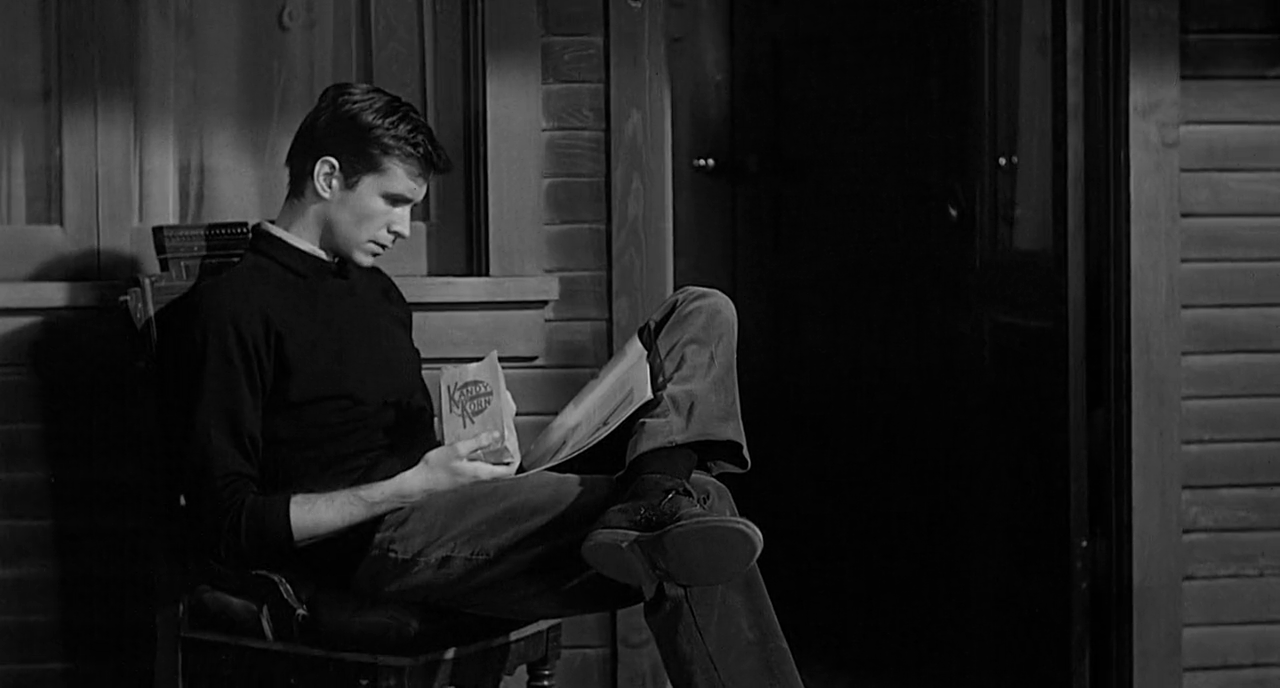
 SPACE RATS From Outer Space