written and directed by rob zombie
spookshow international/capital arts entertainment
 In the rock ‘n’ roll world, bands sometimes hit a home run with their first release because it’s the culmination of everything they’ve spent their lives working toward, all their passion and labor and inspiration and insanity and their most finely honed materal in one definitive document. Then they’ve got, like, eight months to follow it up, and that’s where the magic often ends. That didn’t happen with Rob Zombie’s music career; it took White Zombie years to claw their way out of the NYC underground and hit it big in the early ’90s with La Sexorcisto: Devil Music Volume One, and he still enjoys a musical following. The template does describe his directorial career, however. House of 1000 Corpses, if not exactly original, seemed to presage the existence of a new horror auteur … but the bloom has faded from that rose. This sequel to the underwhelming Corpses sequel The Devil’s Rejects is a Tarantino-lite quasi-comedic misstep that more than ever showcases little save its writer’s underdeveloped vocabulary and lack of interesting ideas.

why did i watch this movie?
I greatly enjoyed Corpses, and liked Rejects the first time.
should you watch this movie?
It’s rather insipid.
highlight and low point
A moment or  two in this picture works all right, but that’s about it. The setup is pretty dumb, the dialogue is godawful, it’s imitative, and it tiredly rehashes some stylistic elements from the last film, only stretched beyond parodic. Oh, and adds a new family member to provide the crucial deliverance. This chapter should’ve followed Tiny, last seen shortly before the ending of Rejects, and Dr. Satan, who’s still presumably out there somewhere, too.
rating from outer space: D−

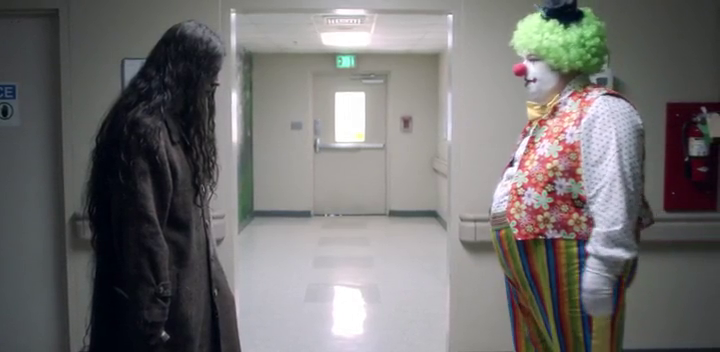
These clowns liked it, apparently.
Photo from imdb (Tasia Wells)
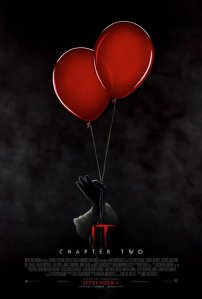 You may know that this picture hit theaters right about the time S. King’s latest bestselling novel, The Institute, hit bookstore shelves. I had been unaware of the new book until basically its release day, when I read it immediately. (Naturally.) And despite the fact that it lifts its basic premise almost entirely from season one of Stranger Things (and sure, that premise isn’t dissimilar to the one King presented in Firestarter, but he has been enjoying revisiting old themes of late), it’s a pretty good read. King slacks off a bit in the latter half, where character development gets a much shorter shrift than he ever would’ve cottoned to in his prime, and the ending wraps up a little too neatly, especially for a guy whose tendency to punt the ending is lampooned in the latest movie based on one of his works. (This one, that is.) But it’s better than The Outsider, and it’s better than Sleeping Beauties, and it’s better than the Bill Hodges trilogy, and it’s better than The Revival, and it’s less ridiculous than Dr. Sleep and … well, it’s not better than Joyland.






 While technically not a horror movie, the moaning and wailing that greeted Episode VIII from its bereaved fanboys (and -girls) could have convinced one otherwise. Which, okay, I can dig where they’re coming from, as this installment plays for laughs more often than one might expect, obscures the franchise’s hoary catchphrase, and – heaven forfend! – introduces
  SPACE RATS From Outer Space