directed by george a. romero
image ten
 This being one of the more influential and critically assessed horror flicks of all time, I’m not going to waste a whole lot of words here, though I do find it highly amusing that I’d never seen this picture. (I’ve seen Dawn of the Dead, the completely irrelevant Return of the Living Dead, and such variants as Zombi3, but never the foundation film.) Having previously watched Romero’s Season of the Witch (“aka Hungry Wives”) and The Crazies, I wasn’t completely unfamiliar with his work, but I wasn’t prepared for the early going of this picture to emulate a silent movie, nor the workaday nature of the living dead themselves. The social commentary can be a bit heavy-handed, but that’s kind of a Romero calling card, at least in his auteur guise. A few quibbles: One, the film lacks for a certain logical consistency in how the zombies – er, I mean “ghouls” – act; two, and this just occurred to me during the latter portions of this film, why in the hell do zombies have to eat? They’re dead!
why did i watch this movie?
Night of the Living Dead is no. four in Johnny Ramone’s top 10.
should you watch this movie?
So much depends upon a red wheel barrow glazed with rain water beside the white chickens.
highlight and low point
The very nature of the low-budget presentation aids it immeasurably, lending it an almost documentary feel at times, and the general lack of histrionics on behalf of the risen dead also helps, their implacable multitudes generating an overwhelming sense of dread as the scope of the danger becomes more clear. Romero’s unadorned direction of his actors at times gives the proceedings a distinctly stagy quality, and his statements tend toward the transparent.
rating from outer space: a-







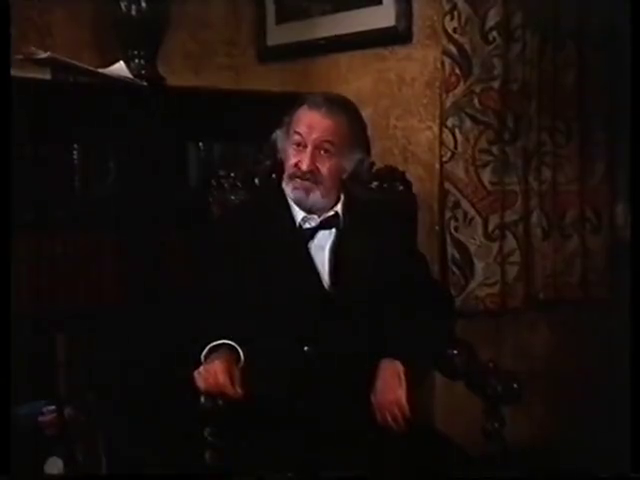
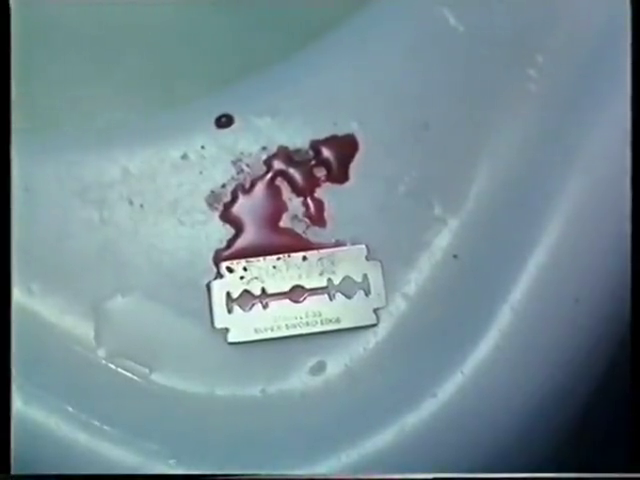
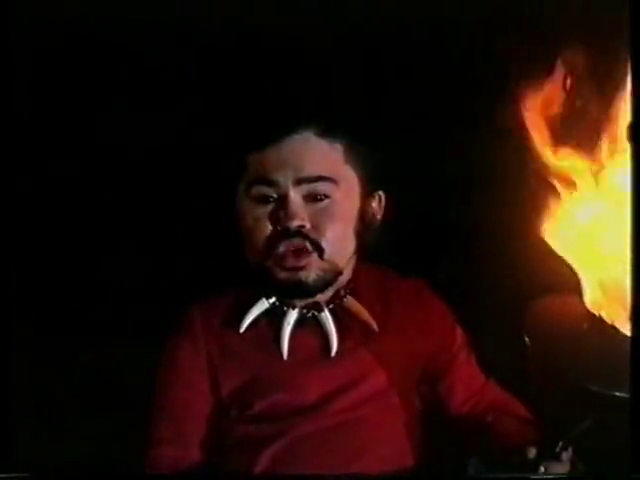
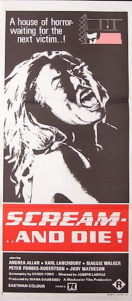 So many titles and so many threatening adverts for such a tepid plod whose only semblance of tension arises from the wait for occasional actress and future lad-mag model Andrea Allan to disrobe. Who’s the killer, you might wonder for an idle minute, correctly identifying the obvious attempts at misdirection, and also realizing that you don’t much care so long as you’re assured the picture will be ending. When it does reach that ending, full dark night abruptly shifts to very bright daytime. Clearly, the filmmakers wanted to get it over with, too. Perhaps this is why they don’t bother tying up any loose ends … such as letting us in on why our heroine got
 involved
  The second murder scene is pretty intense, I suppose, but by that point it isn’t even interesting enough to sustain one’s attention. Some of the leftover mod touches of a foundering Swinging London are amusing. A tangential subplot involving pigeons goes absolutely nowhere. Yes, pigeons.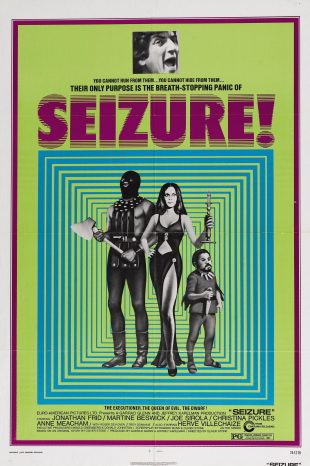
 I’m sure it’s been noted before, but the attention to detail in this movie astounded me, such as the scene wherein Arbogast is looking for clues to Marion’s disappearance in the Bates Motel’s office parlor – where Norman is displaying his stuffed birds – and the bookshelf behind him holds a full set of books entitled The Art of Taxidermy. So it’s a bit surprising, I guess, that certain other important factors seem so transparent, or even dishonest. Of course, that’s nitpicking, and anyone who doesn’t think this is a high-quality cinematic achievement … probably doesn’t care for noir films or suspense, or pulp fiction. Hitchcock himself must have thought he had a goldmine here, however, as he went ahead and made it despite Paramount’s objections and refusal to budget it appropriately. That worked out all right.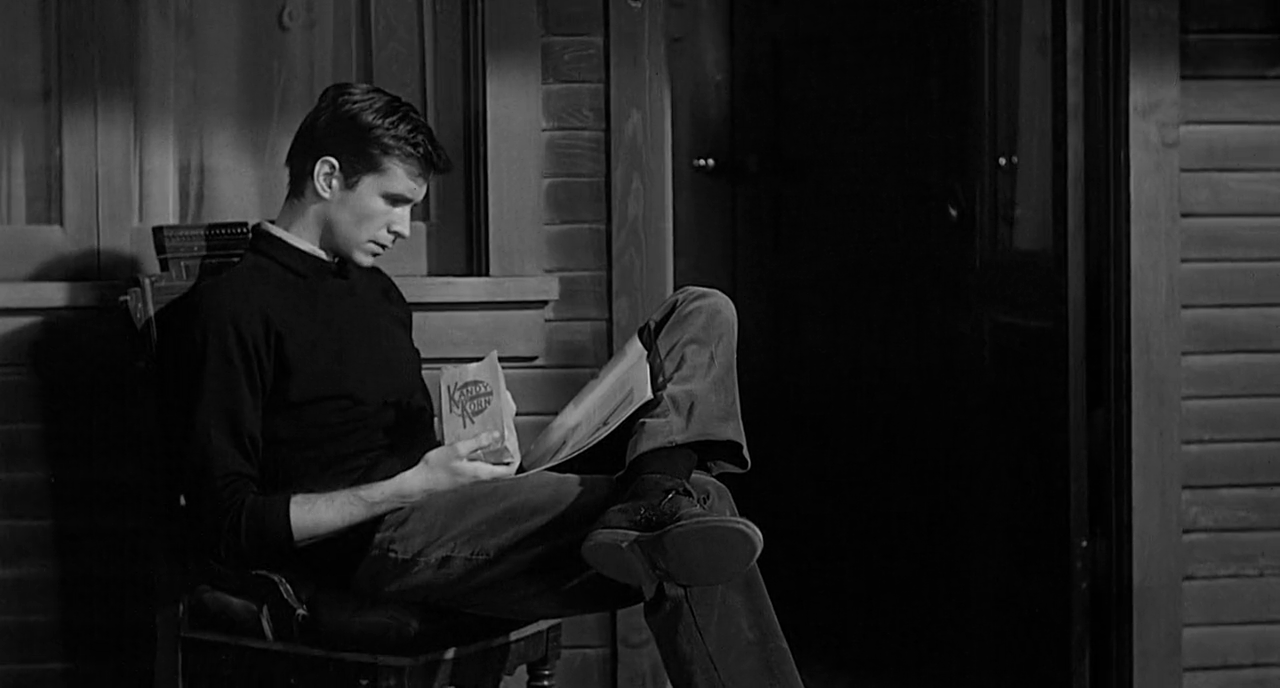


 SPACE RATS From Outer Space