Directed by Chuck Russell
Palisades California, Inc.
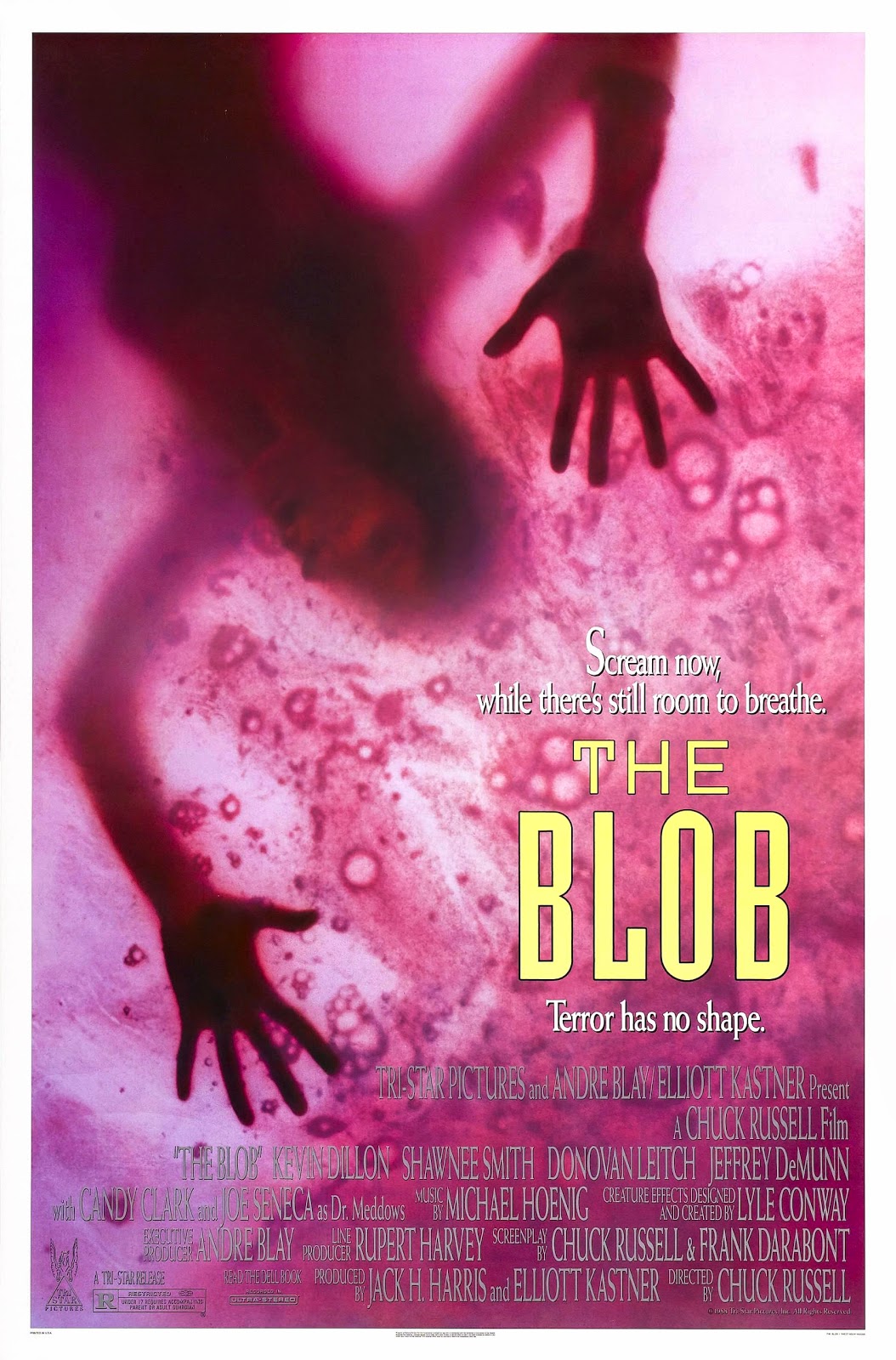 This remake of the ’50s classic is not a horror comedy, and I don’t think I’d even describe it as being tongue-in-cheek, but at the same time, it’s not exactly a, you know, raw slice of life or anything of the sort. Diminishing somewhat its precursor’s contemporary Cold War setting for a more cynical view of the military-industrial complex – and right now I’m trying to remember what specifically in the late ’80s may have spawned the aspersions being cast herein – this picture does vividly evoke its era, at least for someone who was a teenager himself when it was made. (Perhaps the Eighties’ ongoing obsession with “The Fifties” was one reason this flick was produced.) And I enjoyed it about as much now as I did then, to boot. The foreboding ending even still carries portent in these throwback benighted times … unfortunately.
 Why Did I Watch This Movie?

One of the books I’m currently reading is It Came From The Closet: Queer Reflections on Horror; this film is one of the subjects of the essay “Indescribable” by contributor Carrow Narby. (“Of all the ‘classic’ monsters from folklore and film, the iconic blob monster never seems to get much attention as a queer figure, in scholarship or in popular media.”)
Should You Watch This Movie?
 “Blobs are not queer incidentally. They are not queer simply because, through narrative contrivance, they might be associated with the destruction of heterosexual order, as in The Blob … The blob’s relationship to queerness is a product of its basic symbolic function.”
Highlight and Low Point
 The essayist’s point is perhaps understandable given the archetypes proffered in this movie’s Americana: the football jocks, the wholesome cheerleader, the nuclear families, the longhaired punk, and so forth.


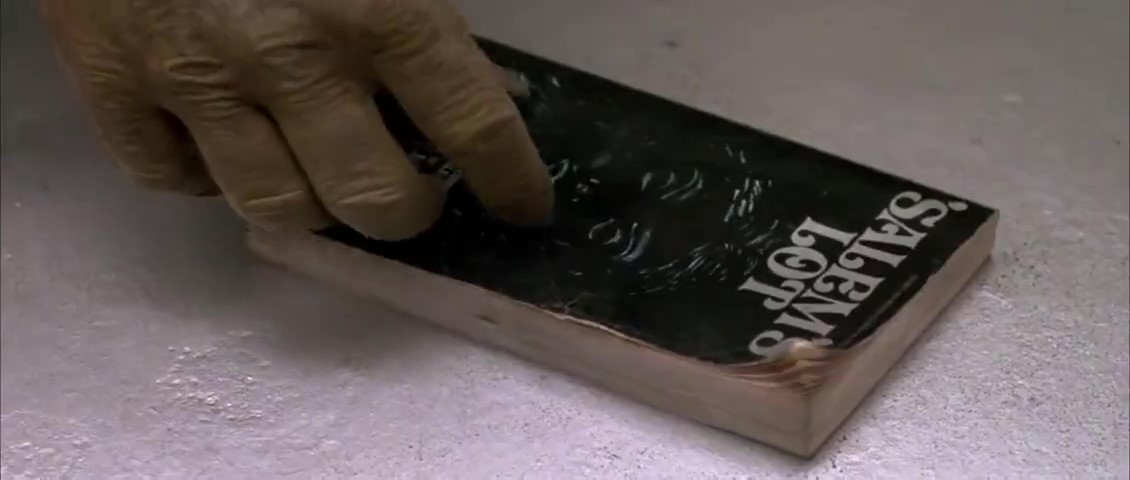







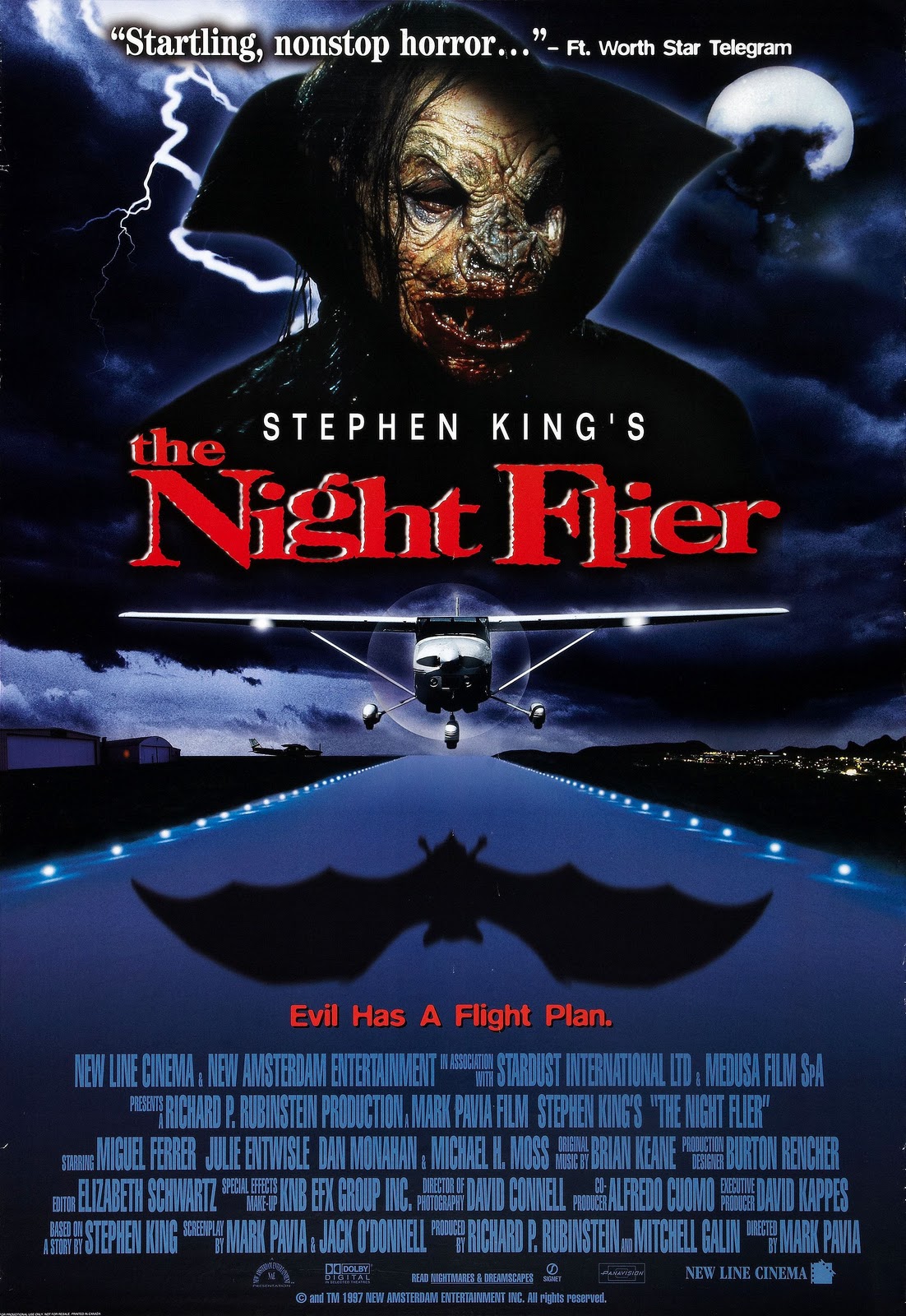



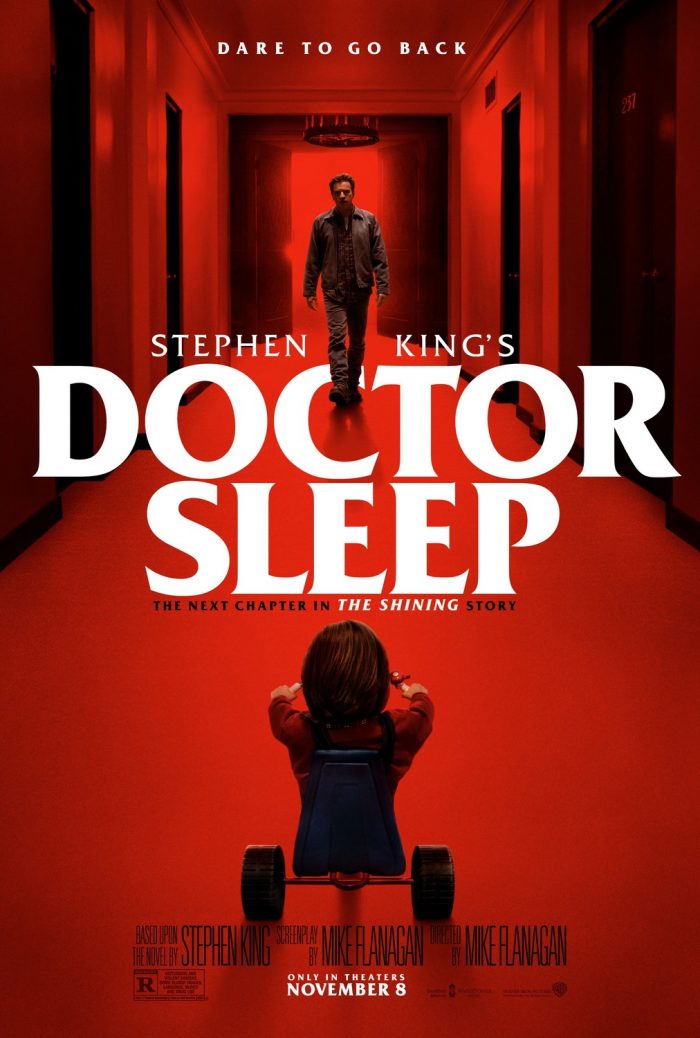

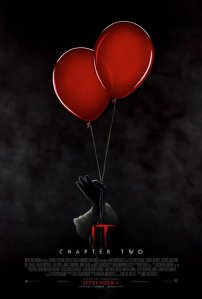 You may know that this picture hit theaters right about the time S. King’s latest bestselling novel, The Institute, hit bookstore shelves. I had been unaware of the new book until basically its release day, when I read it immediately. (Naturally.) And despite the fact that it lifts its basic premise almost entirely from season one of Stranger Things (and sure, that premise isn’t dissimilar to the one King presented in Firestarter, but he has been enjoying revisiting old themes of late), it’s a pretty good read. King slacks off a bit in the latter half, where character development gets a much shorter shrift than he ever would’ve cottoned to in his prime, and the ending wraps up a little too neatly, especially for a guy whose tendency to punt the ending is lampooned in the latest movie based on one of his works. (This one, that is.) But it’s better than The Outsider, and it’s better than Sleeping Beauties, and it’s better than the Bill Hodges trilogy, and it’s better than The Revival, and it’s less ridiculous than Dr. Sleep and … well, it’s not better than Joyland.





 SPACE RATS From Outer Space