directed by james whale
universal
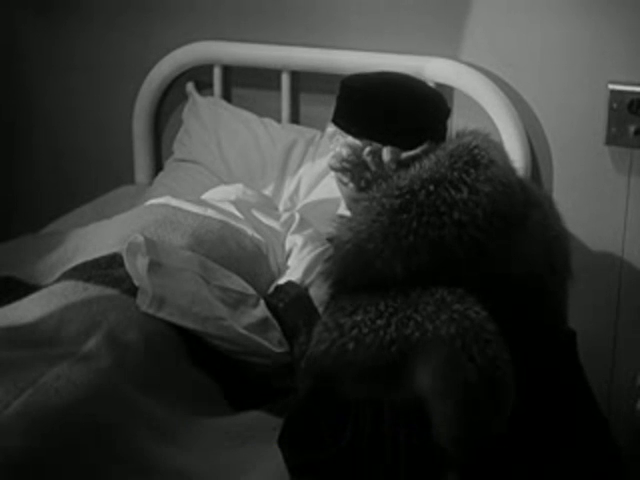
 These old horror pictures really appreciated comic relief, particularly from strident women portraying minor characters, and they also relished lampooning petit bourgeois authority, such as this film’s burgomaster. Plus, they really enjoyed overacting to the point of buffoonery, although that can be forgiven due the transition from stage to screen. Now, with all that musing done and out of the way, it is time to allow that this production, though a bit slight, is quite accomplished. “Karloff” – that’s all he’s credited as – does wonders with his role, even under heavy prosthetics, and the script does an excellent job of playing on any variety of emotions in underscoring the plight of “the monster.” The “monster’s mate” doesn’t appear until just five minutes remain in the picture, of course, which is another thing these great old-time movie stars had going for them: pacing and suspense. Realism may be another matter entirely, but given the subject at hand, any such observation is probably misguided.
why did i watch this movie?
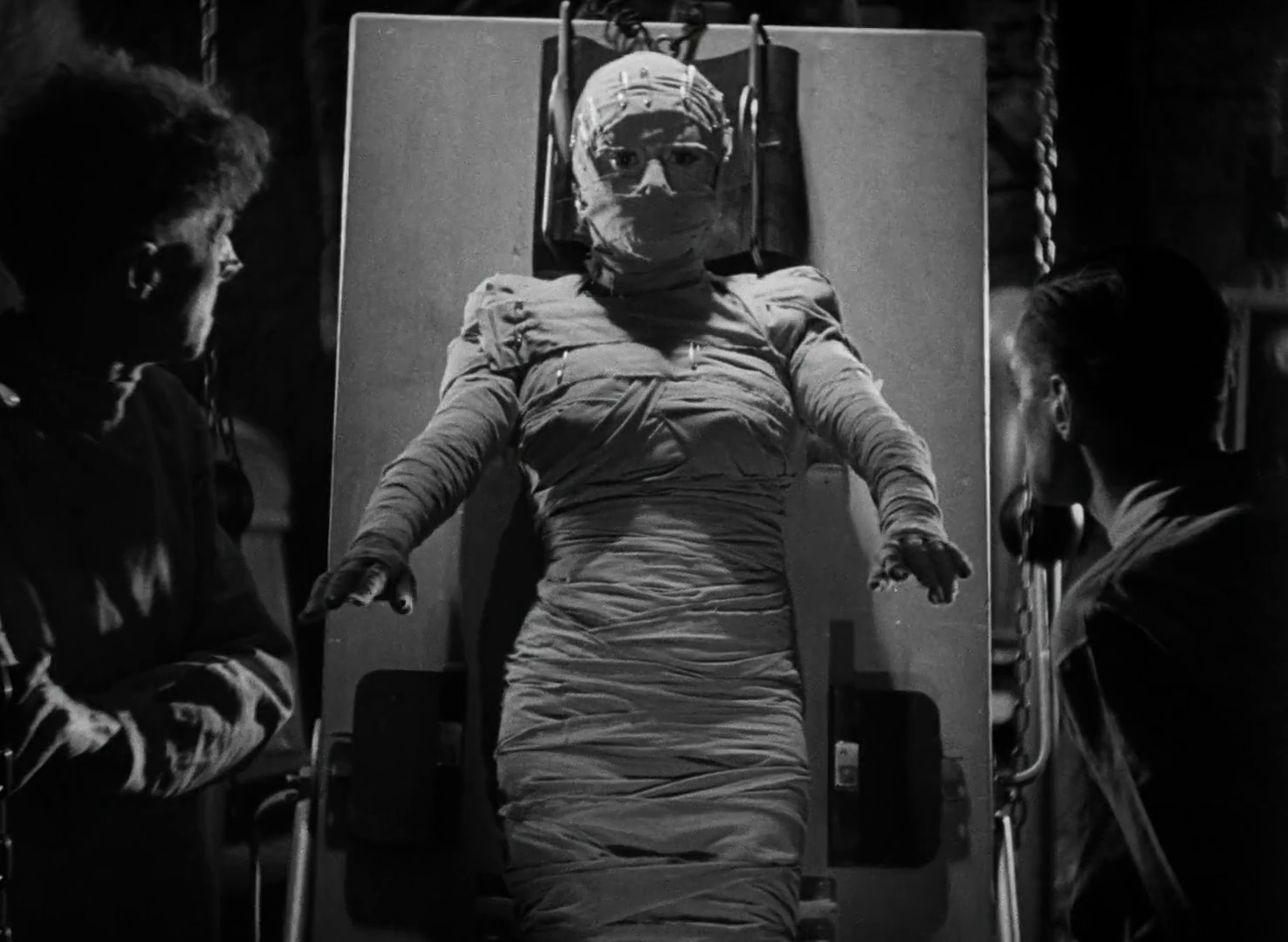 Johnny Ramone awarded “Bride” first place in his rankings, which overall are pretty fair. (I personally don’t think The Wolf Man and Freaks hold up well enough, but who the hell am I.)
should you watch this movie?
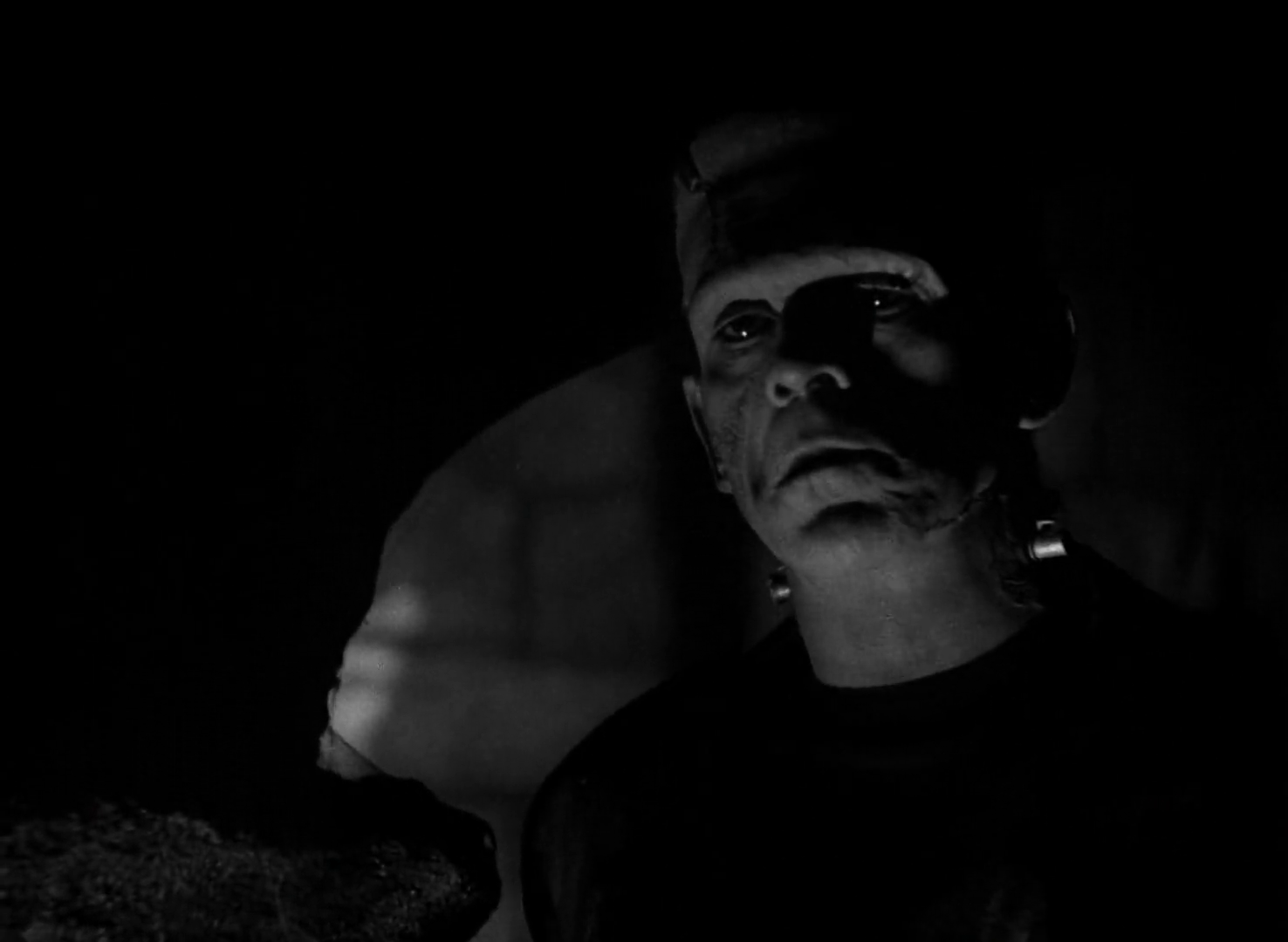
When the mood is right for a picture from this era, such as during Samhain, it would be quite suitable.
highlight and low point
The sequence during which the MONSTER busts out of the dungeon in which he’s been confined, evades the hunt, and tumbles into the crypts from which Pretorius and his henchmen are commandeering corpse parts is pretty memorable. Once again, the studio-lot sets are awe-inspiring, at least the interiors. (The outdoor scenes, not so much.) I could have done without the “humorous” touches and their focus on the lowbrow.
rating from outer space: a−
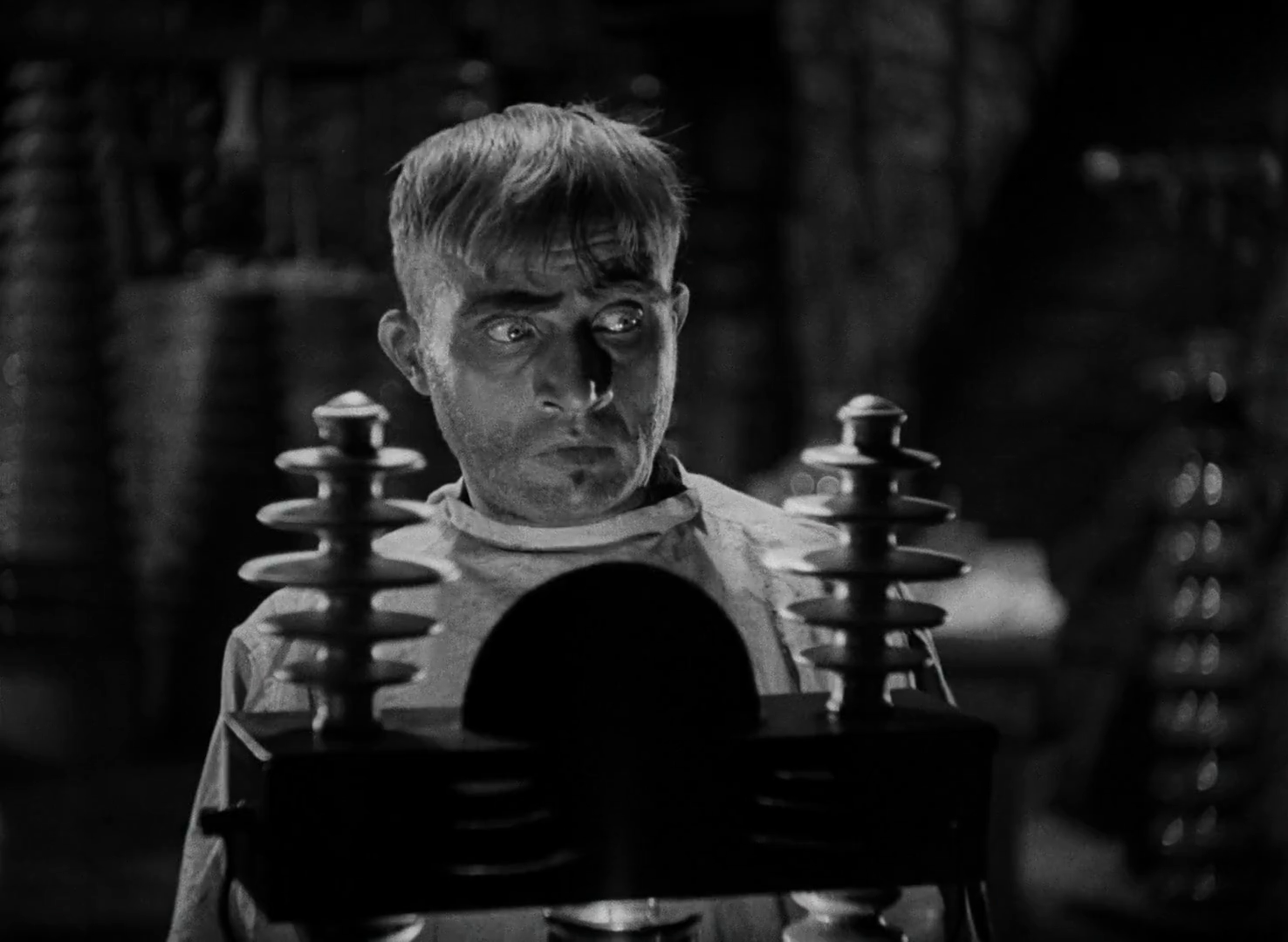
Dwight Frye as Karl







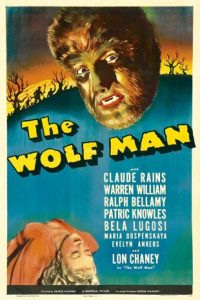 Not only is this movie not frightening in the least, this reviewer has no idea how or why it has been lauded through the decades as even a competent endeavor, much less an estimable one. Did I say “not frightening”? It’s completely ridiculous, helped in no way by the laughable attempt at dramatics presented by Lon Chaney, Jr. Let me emphasize the generational suffix; this is not the lauded “Man of a Thousand Faces,” it’s his son, who benefits from this picture’s dime-store makeup disguising his general inability to act naturally. Also not helping: the entire film is very obviously shot on the studio lot. Additionally, it’s dismaying to be treated to no shots of Larry Talbot’s transformations. (Those scenes take place in the various sequels.) A “B” picture through and through, presented such that even the underlying existential crisis isn’t at all provocative.

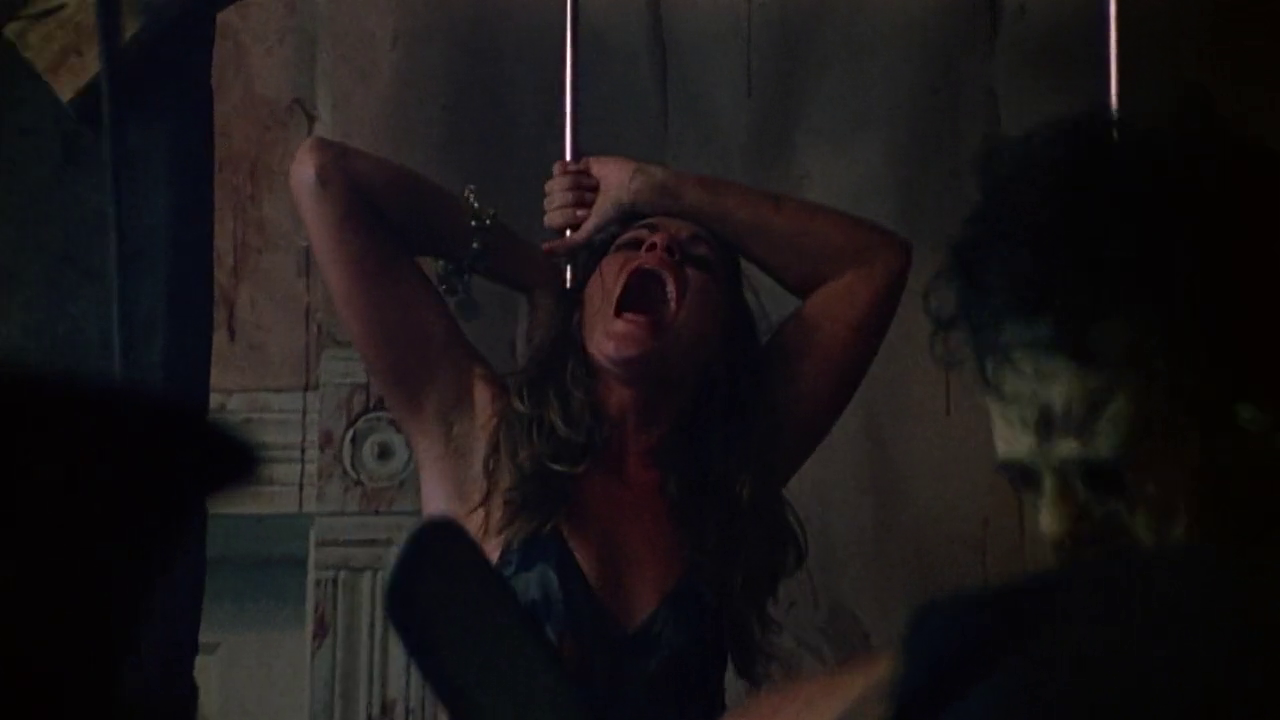
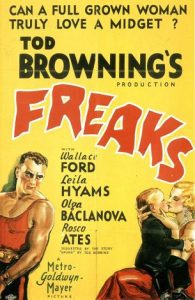 Disjointed as hell due to excessive editing undertaken in a doomed effort to make a disturbing revenge picture even somewhat palatable to a viewing public it never found, this disastrous flop remains one of Hollywood’s most ill-advised creations – for any number of reasons, not limited to how it may make its audience feel. One can only imagine how appalling the excised material must have been, and marvel as to the effect it could have added to a production that remains troubling after nearly a century. The decision to cast real circus sideshow performers was perhaps an inevitability, but the majority of them aren’t film actors and can’t much pretend to be. Saddest, though, is probably the loss of the chance to really experience the capacity for a full range of emotional responses from these morbidly maligned people, as only glimpses remain. As it is, 60-odd minutes doesn’t give anything of real resonance a real chance to coalesce, and what we’re left with often plays like a soap opera interspersed with sitcom skits. How this one ever got the green light remains a question to ponder.
 I’m sure it’s been noted before, but the attention to detail in this movie astounded me, such as the scene wherein Arbogast is looking for clues to Marion’s disappearance in the Bates Motel’s office parlor – where Norman is displaying his stuffed birds – and the bookshelf behind him holds a full set of books entitled The Art of Taxidermy. So it’s a bit surprising, I guess, that certain other important factors seem so transparent, or even dishonest. Of course, that’s nitpicking, and anyone who doesn’t think this is a high-quality cinematic achievement … probably doesn’t care for noir films or suspense, or pulp fiction. Hitchcock himself must have thought he had a goldmine here, however, as he went ahead and made it despite Paramount’s objections and refusal to budget it appropriately. That worked out all right.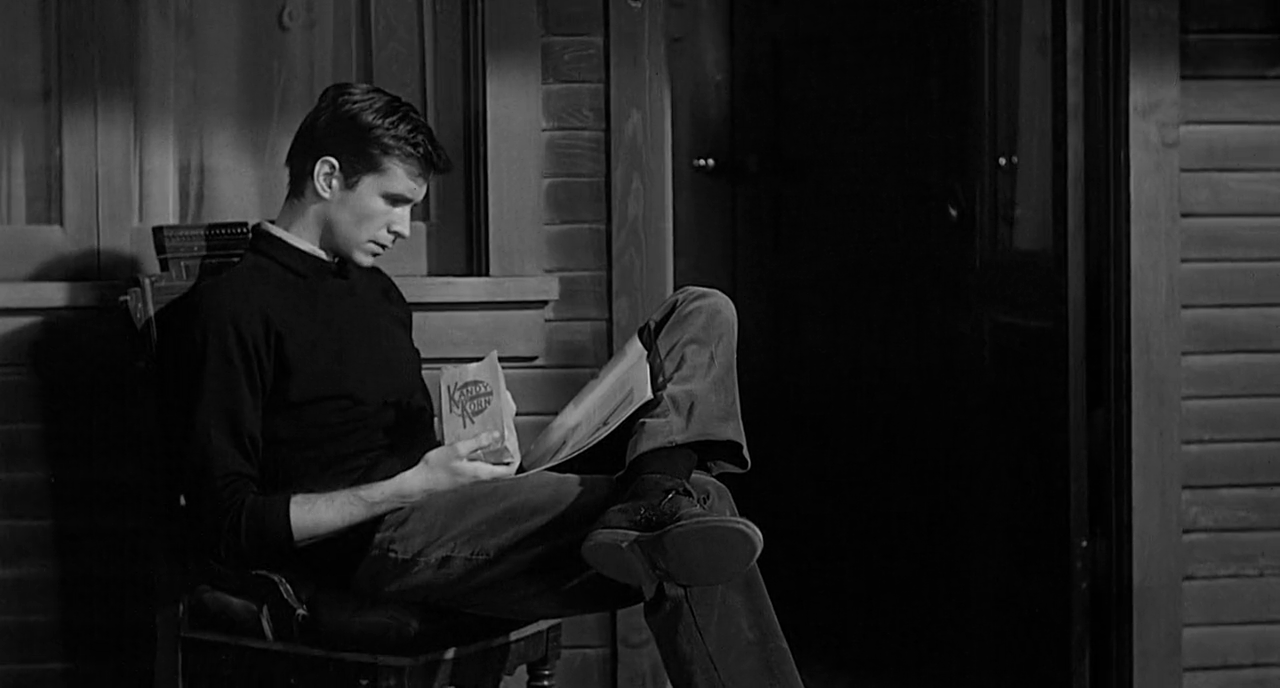
 SPACE RATS From Outer Space