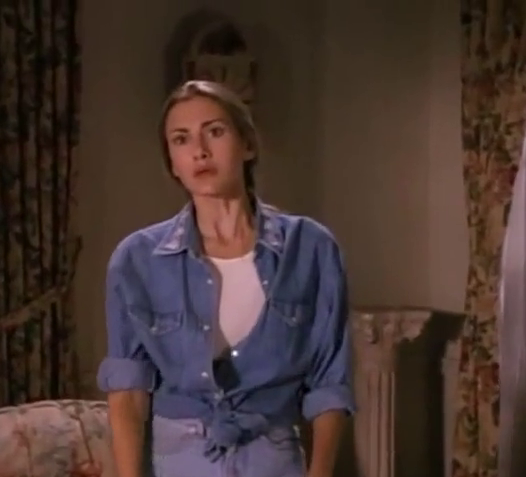
I Drink Your Blood (1970)

written and directed by david durston
a Jerry gross presentation
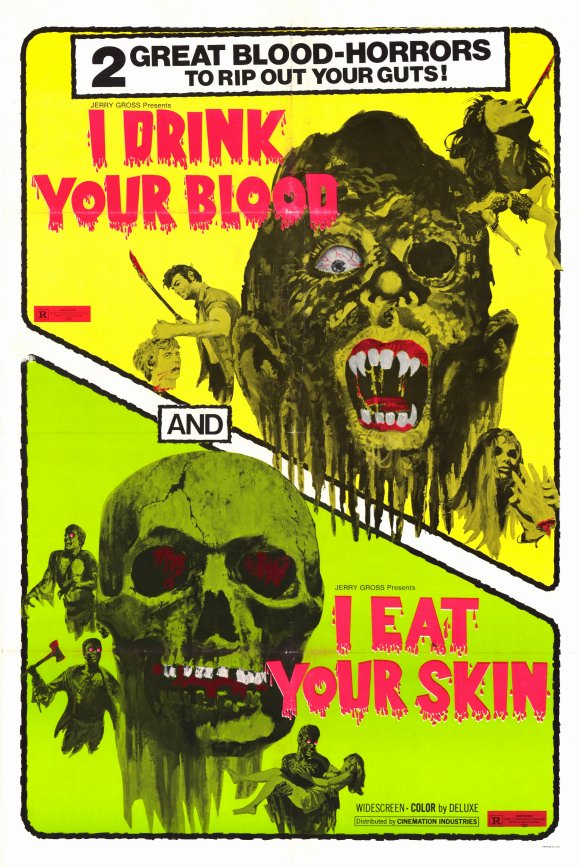
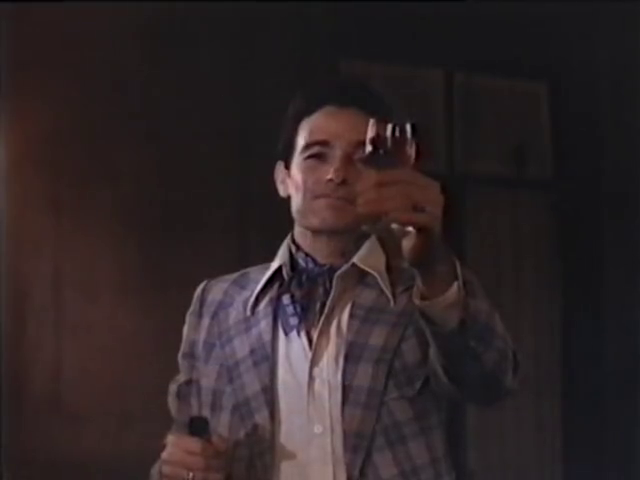
A dyed-in-the-wool exploitation quickie, the only thing surprising about this little absurdity is its relative restraint. Don’t get me wrong – there’s plentiful wallowing in sleaze here, but it’s kinda presented as an afterthought. Sure, limbs (and a head) are hacked off, and multiple animals are slaughtered, but the sexual assault happens off camera and minimal nudity is shown, even when it’s implied that an entire construction crew runs a train on an overly willing female. True, the sleepy little town goes haywire after a young boy injects meat pies with rabies-infected blood and sells them to a roving band of hippies … hmmm. Perhaps this reviewer has grown jaded. BE THAT AS IT MAY, this film mainly revels in its presentation of the idiotic “satanic” pretensions of the ill-defined “cult” at the center of the action, and dwells lovingly on its ensuing violent insanity. Ultimately, the picture descends into a disjointed and haphazardly edited sequence of uncompelling chase scenes. Those where the survivors defend themselves with water display a highly entertaining ignorance of why the deadly disease was once known as “hydrophobia.”
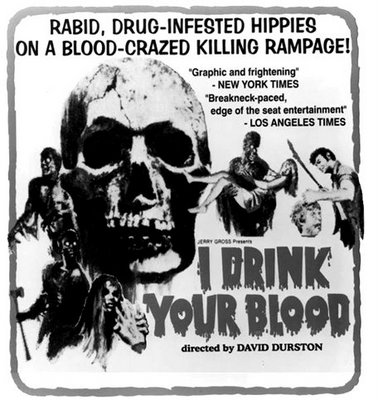
why did i watch this movie?

I’ve got a reputation to uphold.
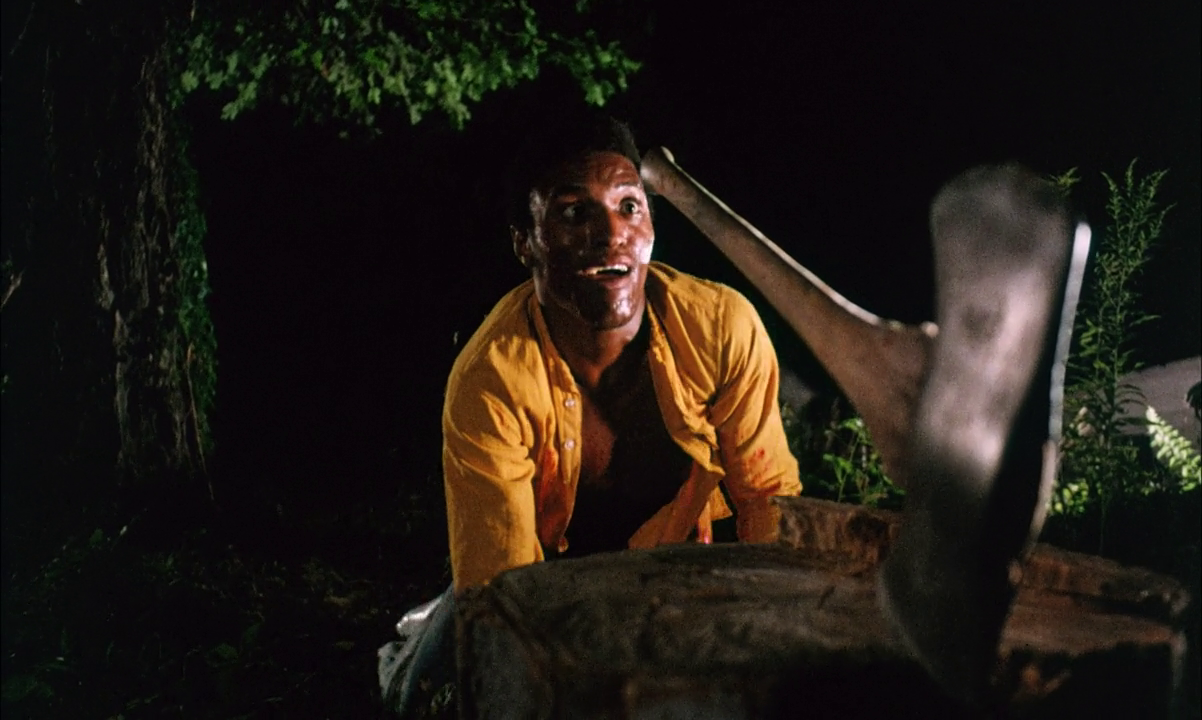
should you watch this movie?

Do you like drugs? Do you like killin’? Do you like listenin’ to “Boogie Chillen’”?
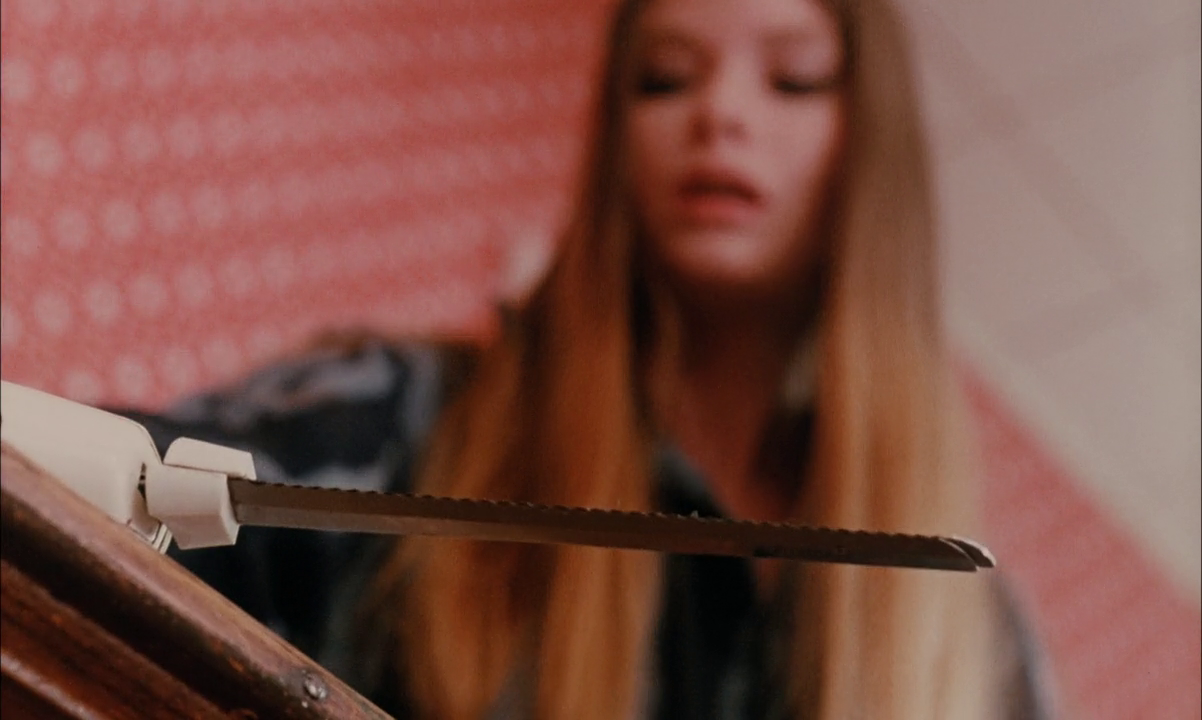
highlight and low point

The cult leader’s opening oration includes “Satan was an acidhead” and “together we’ll all FREAK OUT!” Additional period dialogue adds this observation: “He’s not drunk, stupid, he’s been doped – with that stuff that they call ‘LSD.’” The sometimes alarming soundtrack often alternates between hypnotic monotony and electronic experimentations.  Bonus points were granted for a character using the phrases “the colored boy” and “the fuzz” in the same conversation.

rating from outer space: c−

Shadows of the Mind (1980)

directed by “bernard travis”
production concepts ltd.

How bad must a movie be to be disowned by a pseudonymous director whose only other non-pornographic credit of any note is the notorious Last House on Dead End Street? Should you need to know, you could find out by enduring this obscurity, which earns its nearly unwatchable status due to an amateur lead actress, sloppy production, risible technique, and omnipresent, blaring piano-and-flute soundtrack. Concerned that viewers may not pick up on what it may consider the subtleties of its plot – in a nutshell, the Electra complex – it telegraphs them, resorting at one point to blatantly depicting the manifest symbolism. (For additional emphasis, key dialogue is repeatedly applied to parallel situations.) One whole character is a meaningless red herring, perhaps more than one … which only leaves two characters besides the lead, and one of those seemingly wandered in from one of the director’s works “for mature audiences,” to no particular purpose. This film‘s pointless and atrocious, which is perhaps why the only version of it readily available in the ether is subtitled (poorly!) in Dutch.

why did i watch this movie?

Presumably due to its association with its lousy director, Roger Watkins, and his initial celluloid creation.

should you watch this movie?

To answer that affirmatively,  you’d best possess quite the appreciation for incompetence … unless you’re a masochist.

highlight and low point

The pivotal scene wherein one can see the boom mike for nigh on a minute is pretty special, while the lengthy sequence in a disused greenhouse fairly well encapsulates this haphazard cinematic attempt. The pitiful approximation of a burning body during the climax – superimposed flames with subjacent skeletal image – is an additional howler. Meanwhile, the credits boast “filmed on Location” … with no mention where.

rating from outer space: F

Friday the 13th Part VII − The New Blood (1988)

directed by JOHN CARL BUECHLER
friday four, inc./sean s. cunningham films/paramount pictures

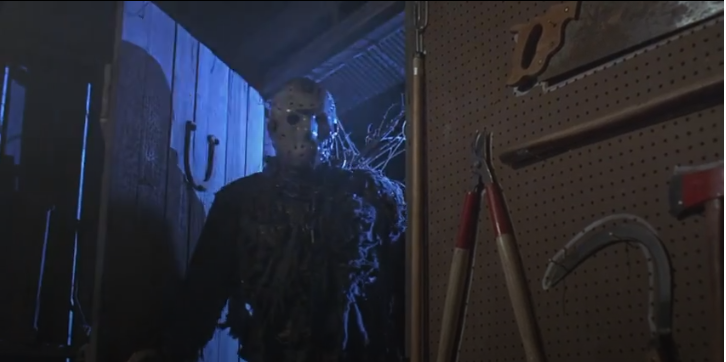
It’s impressive to stand out for idiocy in a series whose main character’s backstory makes no sense whatsoever – if Jason’s so devoted to his mother, why’d he hide from her in the woods for 20 years? – and wherein he would later not only hijack a pleasure cruise but be found aboard a spaceship – having previously become immortal after being revivified by a couple of lightning strikes – but “The New Blood” manages to do just that, and not least because this chapter of the story introduces a young lady who has absolutely no control over her telekinesis right up to the point at which she can suddenly command it with pinpoint accuracy. Oh, and it takes place at Crystal Lake, where the accursed campgrounds have been upgraded into stately lakeside manses by some no-doubt visionary land speculator with a heart of pure graft. In addition, the murderous antagonist finds a  veritable Home Depot there on the lakeshore, as he has a seemingly unlimited supply of dangerous weapons at hand.

why did i watch this movie?

A yeomanlike review of “A New Beginning” by The Devil’s DVD Bin prompted my viewing the installments of this series I either hadn’t seen or couldn’t recall seeing.

should you watch this movie?

Scrutinizing five consecutive franchise flicks proposed an explanation for my uncertain recollection.
highlight and low point

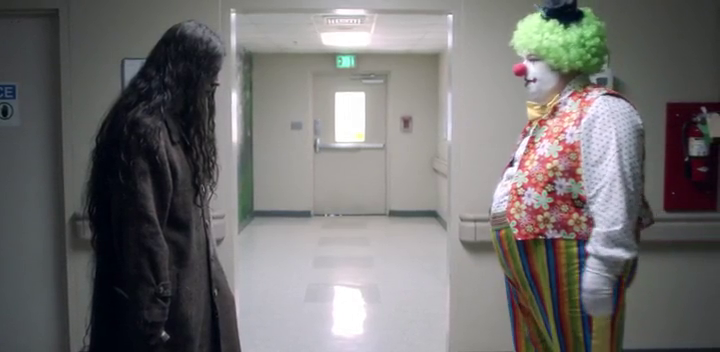
Jason appears in multiple successive scenes with different woods tools; it had me yelling at the film as though I were watching it at a late-night festival screening with other yahoos. No attempt is made to justify the extremely dubious ending, and there’s little gore despite all the new weapons. Victims still die instantly upon being stabbed, at least.

rating from outer space: D[umb]

Izbavitelj aka The Rat Savior aka Der Rattengott aka The Redeemer (1976)

directed by krsto papić
jadran film/croatia film

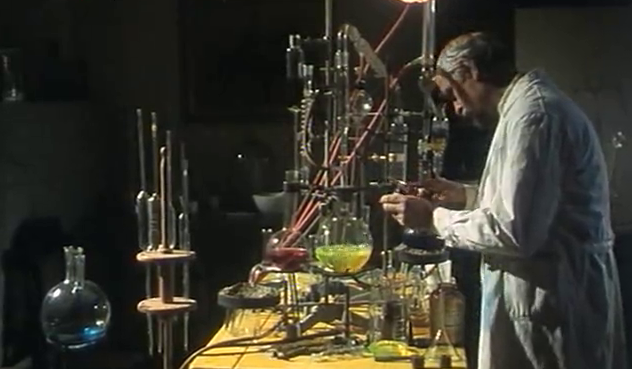
A political allegory from Croatia, then situated in the Socialist Federal Republic of Yugoslavia, which won the equivalent of Best Picture in Portugal’s Fantasporto festival in 1982, and which has been noted for being reminiscent to modern viewers of both Invasion of the Body Snatchers and They Live. Set in a failed economy grasping for answered prayers, this is kind of a slow-developing picture, a fact more notable due to its relative brevity; the version I watched ran about 76 minutes, and I’ve seen evidence of versions ranging from two minutes longer to eight. Eventually, however, it reaches its peak, of what is essentially a terrible hopelessness. Based on a story by Russian writer Aleksandr Grin called something like “The Rat-Catcher,” this film ultimately hinges on a similar observation to the terrifying underlying theme of 1984: you can’t trust anybody, especially yourself.

why did i watch this movie?

I don’t have any idea what led me to this one … some rabbit (rat?) hole or other, presumably.

should you watch this movie?

As mentioned, it won’t take up too much of your time, and if you have any interest whatsoever in political themes – or, for that matter, historical ones – yeah, put it on your list.

highlight and low point

This production is lensed in such a way as to mute out its colors, which has the effect of making it appear much older than it actually is. Coupled with the subtitling and the stilted nature of much of the action, it comes across a lot like a silent movie at times, an impression only strengthened by the soundtrack. Locating some of the most important moments of the story in what is purportedly the abandoned “central bank” building is a masterful touch.

rating from outer space: B

La novia ensangrentada aka The Blood Spattered Bride (1972)

escrita y dirigida por vicente aranda
morgana films

Part of the early-to-mid-’70s lesbian vampire movie mini-craze, this Spanish offering is actually a very stylish affair, even as it doesn’t skimp on some more questionable themes or visuals. One of many retellings of important Dracula precursor Carmilla, the tale follows a newlywed couple back to the groom’s palatial ancestral home, where strange occurrences soon are afoot. And at hand. Namely, the young bride begins having eerie, violent dreams that involve a mystery woman she has glimpsed more than once while awake. Her chauvinistic husband is dubious. A doctor who apparently doubles as a detective of sorts is downright dismissive. The caretakers’ strange little girl … is strange. An accomplished piece of art, despite its exploitative carnality.

why did i watch this movie?

It was in my queue for so long, I couldn’t possibly tell you, but at some point I was stockpiling turn-of-the-’70s vampire flicks, so …

should you watch this movie?

“You mean the two women were howling?”
“Mm-hm, like two cats in heat – that’s when I ran away. They sounded … like vampires.”

highlight and low point

Should you need proof of how mores have changed in male/female relationship dynamics since the early ’70s – or, perhaps, seek illustration of the difference between Spain and the USA in terms of attitudes toward such things – you’ll be delighted by how Susan’s new husband treats her. If you’re of a certain bent, you’ll also appreciate her eventual response. If you’re like me, you’ll love exchanges such as this:

“How many times does something have to be repeated before it ceases to be a coincidence?”

“Some cases, twice would be sufficient.”

Performances are very deliberate. Maribel Martín, in her inaugural star vehicle, delectably transforms a moue into a death stare, often.

rating from outer space: B+

Lovely Molly (2011)

written, directed, and edited by eduardo sanchez
haxan films/amber entertainment

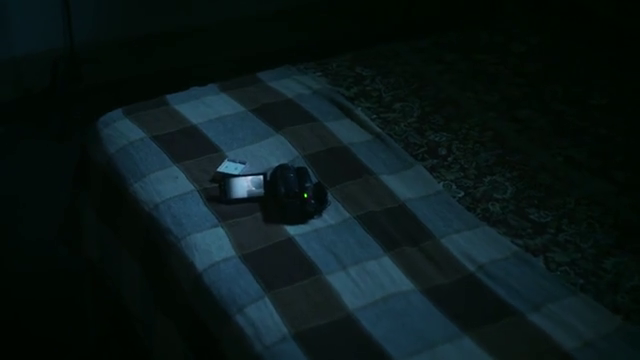
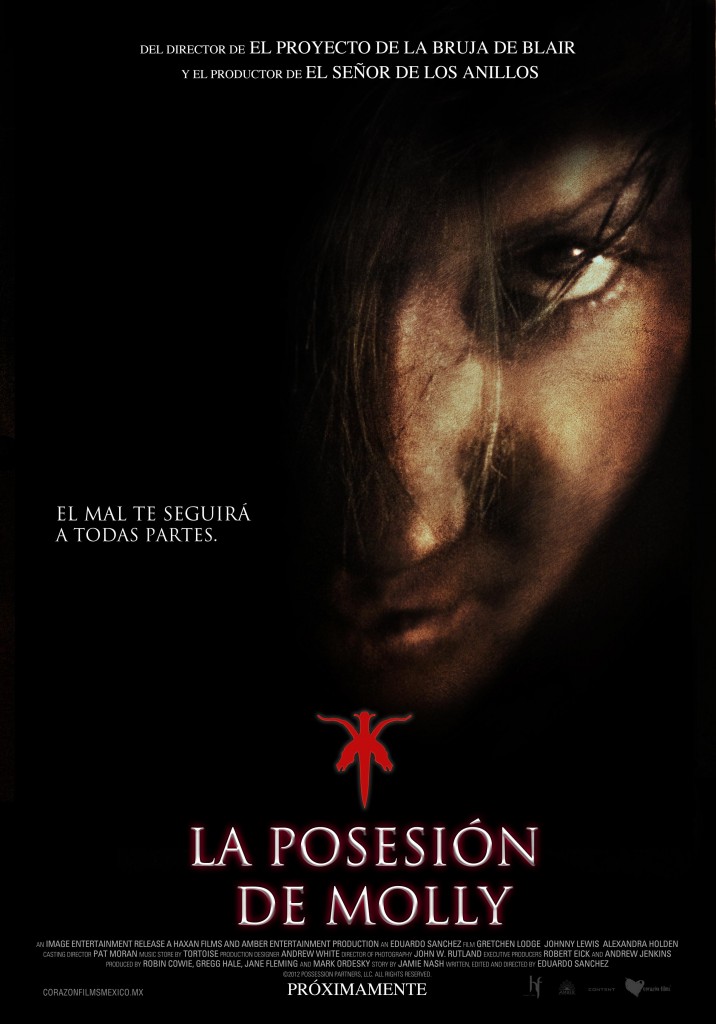
Man, you just can’t please some people. After finishing this highly disturbing picture, I decided to survey its popular acclaim, only to find that it doesn’t have much. And while I can definitely accept that rhetorical devices at play here – the videotaping, the “paranormal activity” and whatnot – might provoke a sense of ennui in some viewers, the vast majority of this film plays as a character study of a woman seemingly losing her mind, potentially becoming a danger to herself and others. That the climax suggests (and, to my mind, somewhat abruptly) a rather different explanation doesn’t much detract from the tense atmosphere created and explored throughout. For the resolution, I might’ve preferred something a bit less Shyamalanesque, because the nature of the characters’ unravelings had been intense and unsettling, but I’ll admit I disregarded plentiful cues.

why did i watch this movie?

Sometimes, I just idly browse through synopses of horror flicks and randomly winnow down a passel of choices until I select a few titles that sound interesting.

should you watch this movie?

You know what, I liked it. Now, keep in mind I’ve neither seen “Blair Witch” nor Paranormal Activity, so maybe that helped. Your tolerance level for “found footage” presented as though real-time documentation may be of import.

highlight and low point

Credit must be given for a distressing scene of person-to-person violence that was truly shocking, and not for the squeamish – hackles-raising stuff. Gretchen Lodge’s performance of the title role is splendid, and pretty fearless to boot. The murky backstory helps rather than hinders, but the most important clue is literally buried and one may well attach no importance whatsoever to it. (The working title was “The Possession,” hint hint.)

rating from outer space: B+

Don’t Look in the Basement aka The Forgotten (1973)

produced and directed by s. f. brownrigg
camera 2 productions/century studios

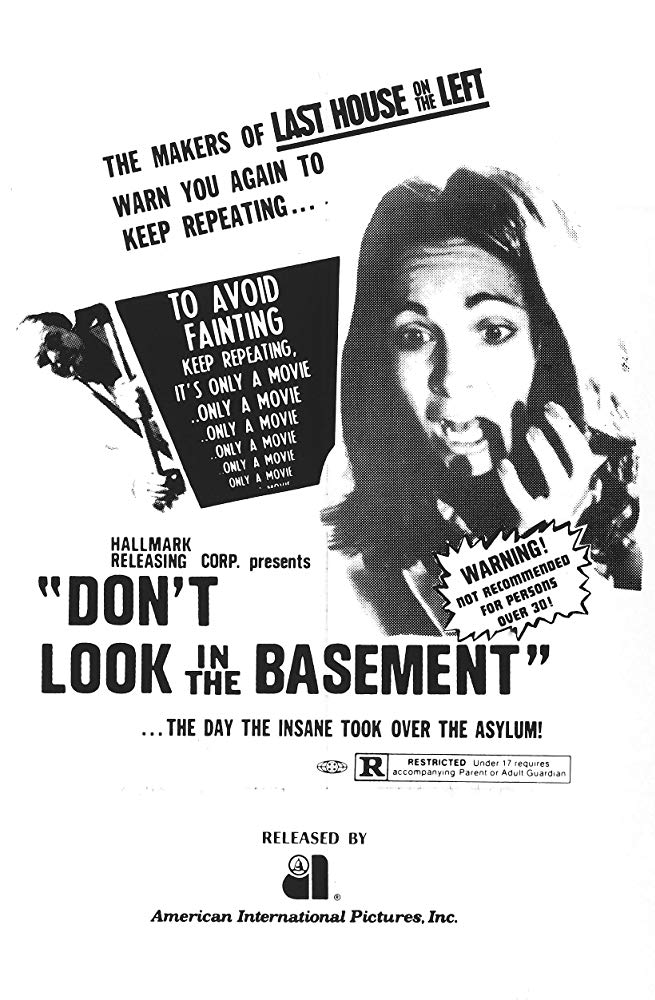
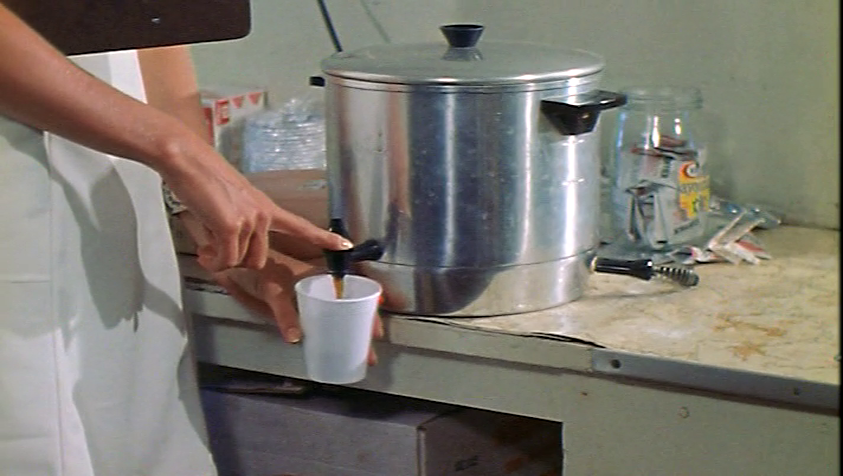
A slowly creeping, thoroughly Seventies sense of the dramatic infuses this tale of mysterious goings-on in a shabby private sanitarium, and although that setup veritably screams “overacting,” the mostly unknown thespians gathered here generally do a pretty good job portraying their variously afflicted characters. Of course, as the action gains momentum, masks begin to slip, until eventually psychoses are on full florid display. Even if one is unaware of the secrets that eventually will be revealed, after just beyond the halfway point the production doesn’t even bother to feign much interest in keeping mum, and from there it’s more or less a matter of seeing how things will be resolved. An unexpected finale may raise some eyebrows, and the final scene is much more poignant than any of the proceedings may have led one to expect.

why did i watch this movie?

It’s a “classic,” is it not? Well, in any case, I’d been hearing about it for as long as I can remember, as it’s one of my brother’s faves.

should you watch this movie?

Didn’t I just say it’s a “classic”? Really, it suggests the transition between a more old-fashioned sense of the horror film and the newer aesthetic to come.

highlight and low point

The first half or so of this picture mainly concentrates on the doings of several of the patients at the hospital, as well as newly arrived Nurse Charlotte’s attempts to get her bearings, and doesn’t suggest a whole lot of structure … although this proves to be purposive, of course. That it overcomes its dubious opening scenes and builds up enough momentum to be affecting is no small feat. Which characters are being referenced is sometimes difficult to decipher.

rating from outer space: B+

Pinocchio’s Revenge (1996)

written & directed by kevin s. Tenney
trimark pictures/Blue Rider Pictures

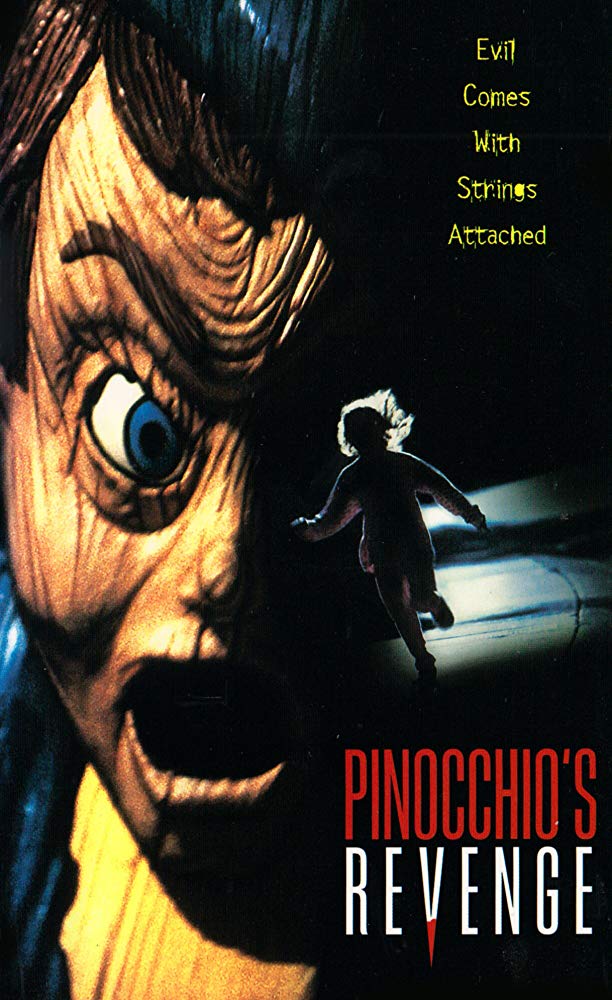
It was surprisingly difficult to access this cinematic … accomplishment, but I guess I shouldn’t be too surprised, as the truly sublime can often be misunderstood in its own era and lost to the mists of time. Such a fate didn’t befall this assuredly pedestrian and laughably underwhelming piece of schlock, of course, but this humdinger strikes just about every single note on the Space Rats scale. It also encompasses every trick in the straight-to-video book, and even includes unbelievably cliché visuals one step removed from stock footage. Loads of laughs, most (all?) of which are completely unintentional, owe a great deal to the completely ridiculous depiction of various aspects of the legal world, and the various thespians competing to be the least convincing also abet the cause. Really, the hackneyed plot is one of the lesser worries here. You notice I didn’t say Richard even mention the “puppet” yet?

why did i watch this movie?

Weeeellll, I was looking for another thrilling thriller from the 1990s, and I wanna say I noticed the, uh, critical éclat for this flick, but maybe it just sounded dumb enough to suit my purposes – I really can’t recall.

should you watch this movie?

Oh, my questionable tastes definitely recommend that course of action.

highlight and low point

Golly, so much to choose from … I think I’m going to have to go with the various scenarios related to the suspicious suffering of our lead character’s significant other, however. The nanny’s absurd and inconsistent accent also deserves consideration, as do any number of undersold reaction shots. And one must not neglect the remarkable school bus scene. Soap‘s Fr. Timothy Flotsky (Sal Viscuso) allegedly has a bit part in this picture.

rating from outer space: C−

Darlin’ (2019)

written & directed by pollyanna mcintosh
hood river entertainment

Oh, man, THIS is why sequels have such a bad reputation. Wilfully destroying the disturbing mythos and gripping power of Offspring and The Woman (not to mention Off Season, the Jack Ketchum novel that started the series), Darlin’ is a dispiritingly transparent and simplistic reexamination of some of the same themes as Lucky McKee‘s “Woman,” only without much of anything to recommend it in any way. Oddly, it was created and helmed by Pollyanna McIntosh, who one would presume to have more of an investment in extending the character’s draw. Poorly conceived, unconvincingly executed, predictable, and incongruously sentimental, I am really at a loss as to why on earth this movie was produced.
why did i watch this movie?

I‘m a sucker. for some reason thought a follow-up to The Woman would be a fascinating study of the ongoing attempts of primitive cannibals to survive in modern society, plus who hasn’t pondered how former members of that society might adapt to devolution in the aftermath of all they’d experienced?

should you watch this movie?

It does not address any of the above concerns.

highlight and low point

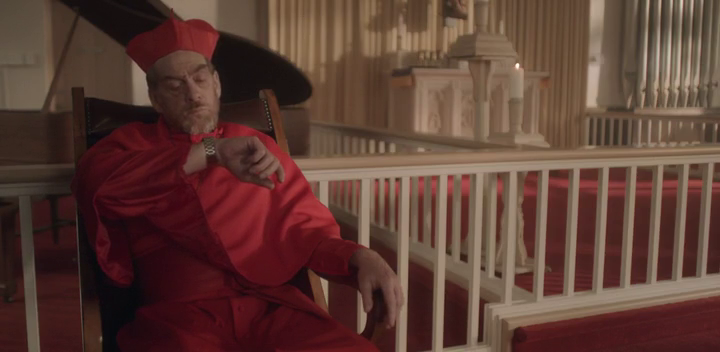
The word that springs to mind for this film’s treatment of religious institutions and the priesthood is “facile.” It’s maddeningly stereotypical, and the main target is two-dimensional and untrustworthy from his first moments onscreen. Also, the only sympathetic male character is gay, just in case you were somehow missing the incisive social commentary. Such lack of nuance really detracts from whatever the hell the point is supposed to be. Furthermore, the structure of the film very closely parallels that of The Woman, only with an extremely dubious subtheme of awakening or self-reliance or self-preservation or some such. Ridiculous.
rating from outer space: d−

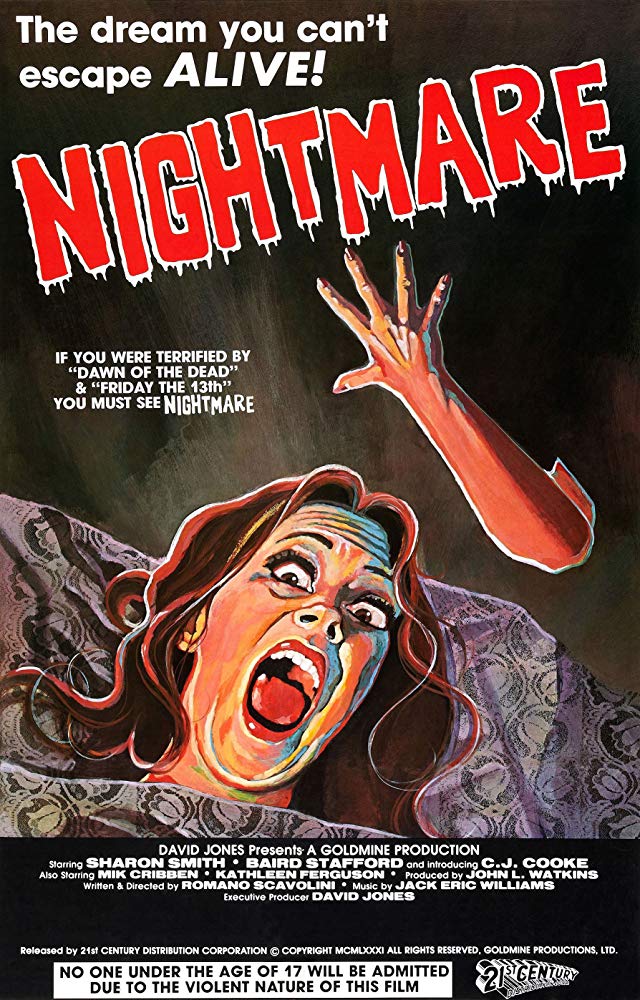
Nightmare aka Nightmare(s) in a Damaged Brain (1981)

written and directed by romano scavolini
goldmine productions inc.

Despite some questionable casting choices and unconvincing acting in several minor roles, this curiosity is actually a serious study of derangement and childhood trauma, murderous impulses and psychosis, a story of a mental patient who escapes and heads south. Grisly and graphic, it features a helluva shock early on and never settles much into complacency. Unfortunately, the saga drags a bit as it proceeds, especially when it focuses on the obnoxious children of a dysfunctional family. (Mom is little better.) The ending is unnecessarily confusing, especially as it shouldn’t be, due to an inexplicable – and uncharacteristic – refusal to let the camera linger.

why did i watch this movie?

Notorious in its day, it fit a bunch of my usual touchstones.

should you watch this movie?

“You lose a dangerously psychotic patient from a secret experimental drug program, and all you can say is ‘I’m sorry’? … Paul, you believed in these drugs and – you rebuilt this man and you did put him back out on the street, but now –he’s out there killing people, and we can’t have that.”

highlight and low point

The insanely over-the-top initial murder scene has to top this list, but many other aspects of this production might jostle for position. Baird Stafford’s portrayal of the disturbed lead is unsettling, one particular murder is disconcertingly realistic, and the director doesn’t scrimp on now-amusing portrayals of computer analysis OR graphic shots of female pudenda. (Times Square peep shows.) The lines quoted above are spoken by a character played by the producer, so perhaps unsurprisingly, the production paradox rules here: one might think this film would have been better were it more professionally accomplished, but any such consideration probably would have denatured it too much.

rating from outer space: B−