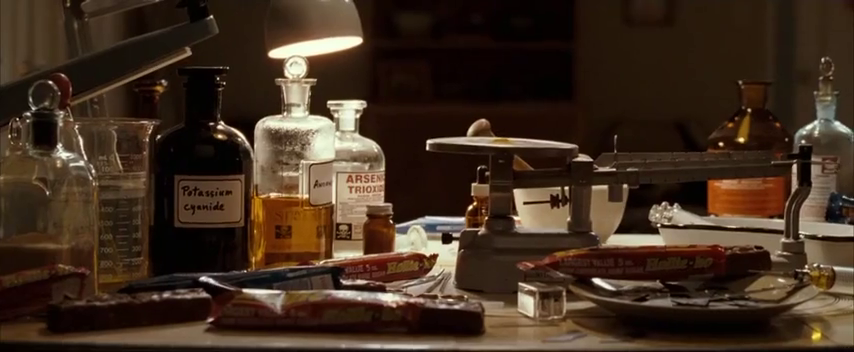
Mardi Gras Massacre (1978)

written, produced & directed by jack weis

It takes a special kind of vision to make a tribute or hommage to a notoriously fly-by-night production such as Herschell Gordon Lewis’s Blood Feast by seemingly attempting to replicate that movie’s infamously wooden acting, but such is the attention doted upon this awesomely ’70s affair. I mean, one of the characters obviously reads his lines from the important papers he carries, just as one did in the original. Now that’s dedication. This picture is also replete with practically nonstop boogie music, a lot of which kinda sounds not unlike disco variations of Steely Dan’s oeuvre. Oh, and buckets of sleaze, don’t forget that. Practically every other scene features strippers or naked prostitutes; if the latter, they’re subject to the sacrificial ritual that is deliberately repeated, step by step, each and every time. Now that’s dedication.
why did i watch this movie?

This is yet another title that I’ve thought about checking out many, many times; this time around I just decided to finally go ahead with it.

should you watch this movie?
I’m not sure how to respond to that. On one hand, it’s fairly fascinating for a number of different reasons, but on the other hand, none of those reasons correlates to anything particularly admirable.


highlight and low point

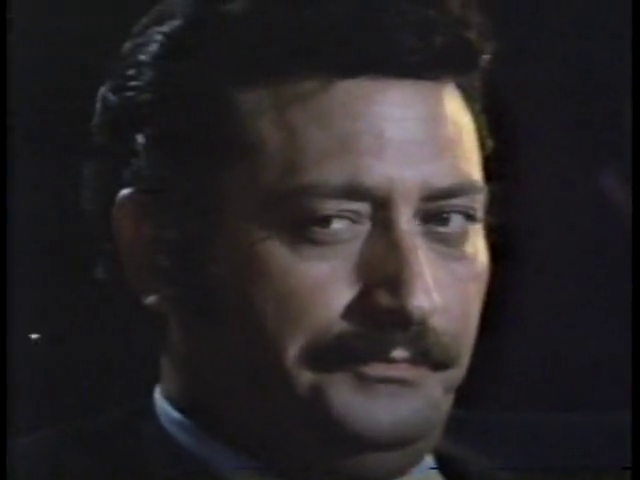
As the lead weirdo, credit must be given William Metzo for never deviating from his modulated speech and mannerisms, a performance truly reminiscent of Mal Arnold as “Fuad Ramses” in the 1963 precursor. (Did I unfairly discredit the 2016 version, or was it jumping the same claim?) The scenes of heart removal are pretty gnarly. A significant sequence takes place during an actual Mardi Gras parade, and it’s amusing to watch the people who notice the camera mugging for it.

rating from outer space: c

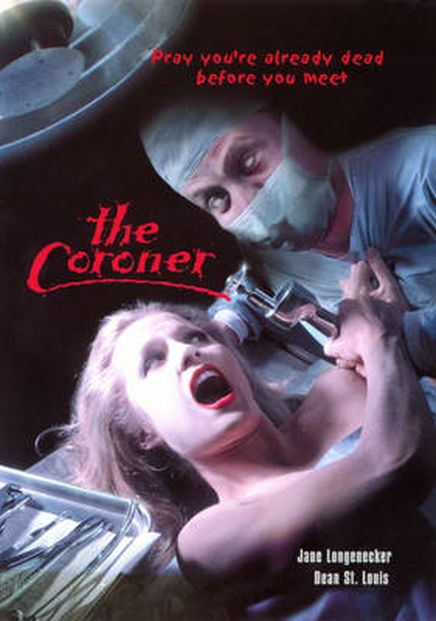
The Coroner (1999)

directed by juan a. mas
califilm

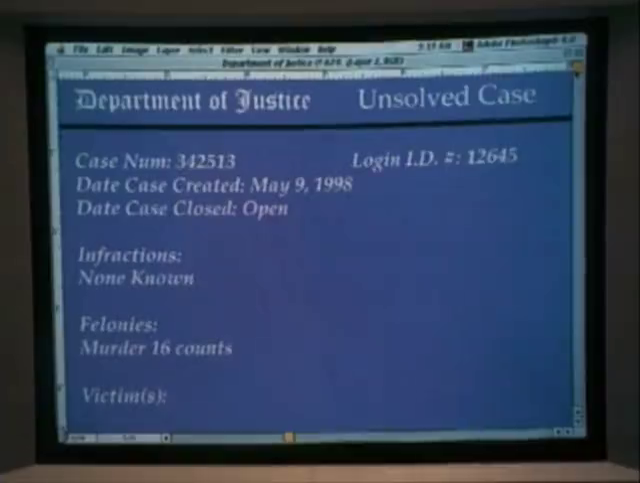
An aggressively dreadful straight-to-video experience, this dross somehow didn’t make me start laughing out loud until the 49-minute mark … which was shortly after I began to wonder if maybe I was just imagining what I was seeing, mainly due to an assemblage of such oddly juxtaposed scenes and camera shots and visual styles that I actually voiced the question, “What is going ON?” The very next scene was when the main character revealed herself dressed in cat burglar getup, creeping down the side of THE CORONER’s house to plant some plastic explosives. I shoulda mentioned, she’s a lawyer. Well, by this point she’s presumably a former lawyer, but some vital exposition goes lacking. By the ensuing scene I noticed there was somehow still a half-hour to go.
why did i watch this movie?

It promised to be ridiculously bad. I win?

should you watch this movie?

Once the unintentional comedy really sets in, it’s a hoot, but it requires major tolerance. You could watch it to glimpse the kernel of a powerful concept underneath the incompetence and use that revelation for your own purposes, I suppose.

highlight and low point

How I imagine directors talk actresses into nude scenes for productions like this one: “Hey, we’re making one of the most unrealistic horror thrillers any of the few who’re actually gonna see it will ever witness, and it unnecessarily opens in a strip club, and we’ll need some egregiously pointless sex scenes. You in?” Sadly, this was a tremendous opportunity to make a really disturbing and upsetting statement on multiple levels – if merely by inspiring debate over the main character’s true motives and/or culpability – but instead it’s a rape revenge picture with a flimsy ending given away long beforehand.

Rating from outer space: D−

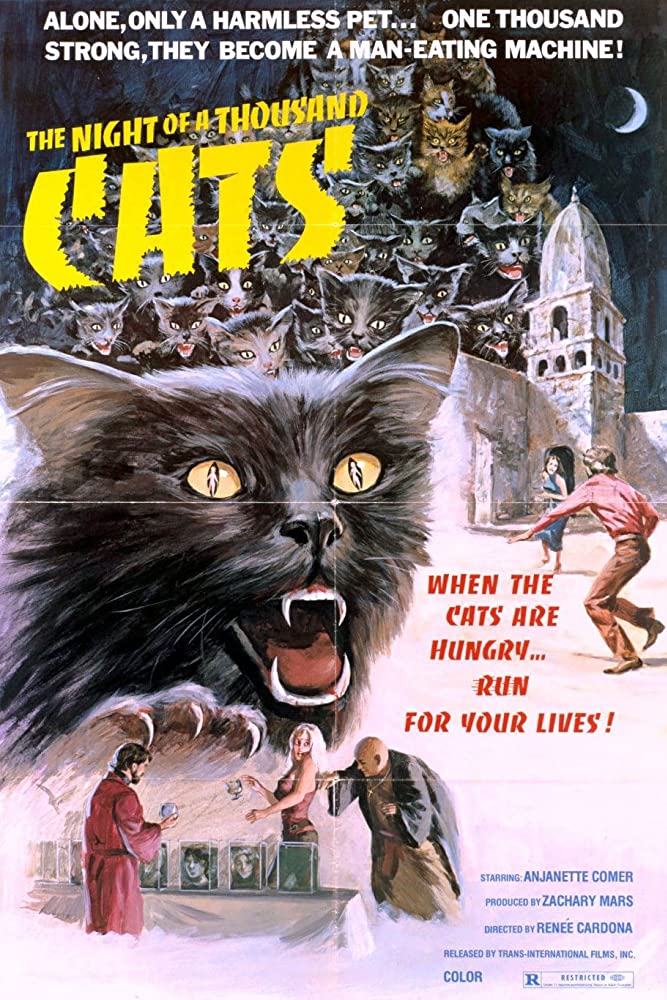
La noche de los mil gatos aka The Night of 1,000 Cats aka The Night of a Thousand Cats aka Blood Feast (1972)

directed by rene cardona jr.
avant films, s.a.

This determinedly incomprehensible Mexican disaster will really try your patience, especially with its maddening, repetitive, interminable shots of the main character flying around and hovering over potential paramours in his … helicopter. After a certain point, I couldn’t keep track of which woman was which, a problem compounded by the sudden intrusion of a variety of flashbacks. It may be that some sort of attempted symbolism was intended at some point, but it may just have been a deluded stab at attempting to imply the existence of some sort of deeper meaning. Trying to suss out why anyone’s doing what he or she is doing in this picture is a fool’s errand at best, but I have to admit that the climax of the picture is one of a kind. I dispute that anywhere near 1,000 felines appear in this film, however.

why did i watch this movie?

As though the title “Night of a 1,000 Cats” doesn’t pique your interest.

should you watch this movie?

Unless you want to compare the decaying castle-like structure lived in by Hugo Stiglitz’s character – coincidentally named “Hugo” – with similar edifices that serve similar purposes in flicks such as The night Evelyn came out of the grave or The Blood Spattered Bride or The Devil’s Nightmare, I shouldn’t think so … though maybe I’m giving the evocative character “Dorgo” short shrift.

highlight and low point

Honestly, the best thing about this production for me was finding out that the director is also responsible for a “killer shark” movie (Tintorera), but the ending to which I alluded above merits mention. (It involves cats very obviously being hurled through the air.) Other scenes of animal cruelty abound also, in addition to a pair involving a quasi-burlesque revue.

rating from outer space: D

Graduation Day (1981)

directed by herb freed
ifi/scope iii

Sure, there are hundreds of movies just like this one, but this example manages to be more fun than a lot of them, even if it pushes some of the faults and foibles of its type to the extreme. As an example, the roller-skating scene, with the band “Felony” playing in the center: their song, “Gangster Rock,” goes on and on and on … and on, and on … and on, and we’re treated to the same shots of band members miming and the same closeups  of feet shod in roller skates over and over and over. (Although there are plenty of extras in the scene who don’t even bother with the skates!) And then there’s some of the frankly ridiculous methods of victim dispatch, the belabored attempts to draw attention to the wrong suspects, the fact that absolutely everybody repeatedly has to use the all-too-convenient woods path, and so forth. But for all that, what this flick really did for me was spur thoughts that #MeToo should probably have happened a loooong time ago.

why did i watch this movie?

I’d been contemplating checking this one out for a long time, as it’s from an estimable era for these types of flicks, and also because opinions of it seesaw.

should you watch this movie?

You were just saying how you needed to flesh out (sorry) Linnea Quigley‘s incipient scream-queen career. Or perhaps you’re an aficionado of “horror movies with generic rock bands.”

highlight and low point

Seriously, the unnecessary T&A in this picture is kind of … depressing. The depictions of women’s roles in the home and the workplace might be worse. And since the overall feel of the production is kinda skeevy besides, that’s all kinds of unappealing.

rating from outer space: b

The New York Ripper aka Lo squartatore di New York (1982)

directed by lucio fulci
fulvia film s.r.l.

“The violence here is ugly, demeaning and frightfully pathological,” the author proclaims, adding that the film “features long, lingering and loving shots of gratuitous sex, nudity and horrific violence.” He further contends that the picture is “reviled for its rampant misogyny, unspeakably deranged mutilation of women; and its duck-voiced, interminably quacking psychokiller” and “remains a hollow, forced, uninspired effort that very few have rallied to support.”

Well, sure, you think, but everyone’s a critic, and you crane your neck to see the title … and discover that those quotes are taken from the 1996 book Lucio Fulci: Beyond the Gates – A Tribute to the Maestro by Chas Balun.

I don’t have much to add, but allow me to correct a misspelling from Mr. Balun’s tome: when describing the scene with the prostitute and the razor blade and the eye and the nipple, the erstwhile scribe meant to write “bisected.”

why did i watch this movie?

Its notoriety, I guess. I also kept running across it while looking for blog fodder, so I figured I might as well just get it over with already.

should you watch this movie?

I suppose it depends on just how much you want to see that bisection alluded to up above. Trust me, you can live happily without hearing the maniacally quacking killer.

highlight and low point

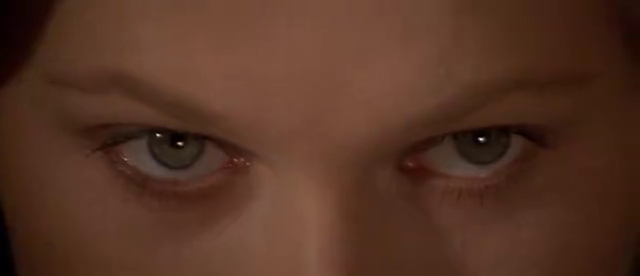
The sheer overkill of most of the slashing, which favors closeups for emphasis, is kind of breathtaking in its appalling level of sadism. Also often filmed in extreme closeup: Yes, people’s eyes, the both of ’em. Five, six times, at least. The “psychological insights” are probably some sort of attempt to lend this picture a feeble justification for its existence, to no avail. The anachronistic music’s pretty groovy.

rating from outer space: F

The Hills Run Red (2009)

directed by dave parker
Warner premiere/dark castle home entertainment/fever dreams llc/ludovico technique

Maybe I’ve seen a few too many of these damn things, but a premise that seemed alluring as this story grew legs – obsessive fan seeks mythical lost slasher film – garnered much tarnish once a few too many knowing references were manifest. Having recovered from its initial fascination with a patently obligatory sleaze factor, this film established a promising story arc only to undermine it with too much that was too familiar. And though it seemed Hills wanted to be playing in the same self-referential league as other “postmodern” fright flicks, I began to get the uneasy feeling that it wasn’t all that clever. Enough glints of inventiveness peek through to keep the goings-on mostly interesting, and the rote gruesome tortures on display aren’t overdone or brandished as proof of, I dunno, transgressive merit or something. But maybe my initial impression was correct and there just isn’t a whole lot of nuance left to wring out of this particular genre, especially if one isn’t willing to get past giving a backwoods killer a spooky mask. ‘Tis a pity, as the sadistic-creep-preys-on-hapless-unfortunates paradigm has always been a personal preference.

why did i watch this movie?

Hills was one of the small handful of pictures Schlock Treatment recommended as actually worthwhile.

should you watch this movie?

Fun fact: Several video games and Leatherface rank among the other accomplishments of this film’s writers.

highlight and low point

Ultimately – unfortunately – I think this production is more of a ripoff than a mashup, but as I’ve hinted before, most horror pix suffer if one goes ahead and thinks about them. This flick had a chance to be really special. Unlike its protagonists, though, it chose to play it safe.

rating from outer space: C+

Trick ‘r Treat (2007)

written and directed by Michael Dougherty
bad hat harry productions/legendary pictures

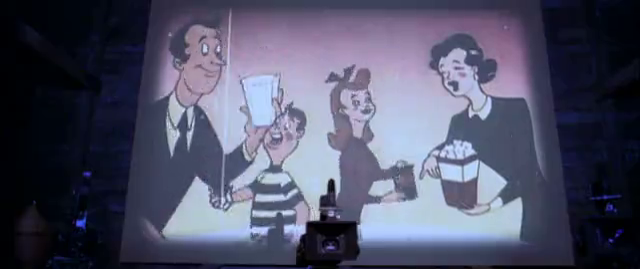
Taking a cue from what seemed a trustworthy source, I made this pic my Halloween viewing this year and was not disappointed. A hearty romp through four (sort of) interrelated stories, spun out in nonchronological fashion and represented in the guise of a comic book, this seasonal offering has a little bit of something for just about everybody: unsuspected killers, party girls, junior pranksters, misbehaving adults, a sour old man, werewolves. Not terribly beholden of any particular era or genre, it manages to tiptoe between reverence and mockery, retro appeal and modern trappings, and is all the better for it. I suppose some could quibble that it’s a little tame, and while that may be a fair assessment, this is good, wholesome family entertainment, so don’t let it dissuade you. (You’d be advised to have a passably peculiar family, though.)

why did i watch this movie?

I needed appropriate Hallows’ Eve entertainment, and the ebook Schlock Treatment by “Duane Bradley” – whose opinion of many other films resonated with me, and who clearly shares my exquisite taste – singled out this production as an accomplished affair that deserved more attention.

should you watch this movie?

I could find little fault with it; it was thoroughly enjoyable.

highlight and low point

Described as an anthology-style picture, it doesn’t much present as one, to its credit. Several layers of subtle misdirection serve the proceedings exceedingly well, as does the filmmaker’s apparent discretion to avoid cheap scares in favor of slower and more evocative development. The humor, too, is more implicit than upfront. The final major portion of the story we’re shown contains what seemed to me a monumental continuity issue, though it doesn’t bear much actual import.

rating from outer space: A−

Nightmare aka Nightmare(s) in a Damaged Brain (1981)

written and directed by romano scavolini
goldmine productions inc.

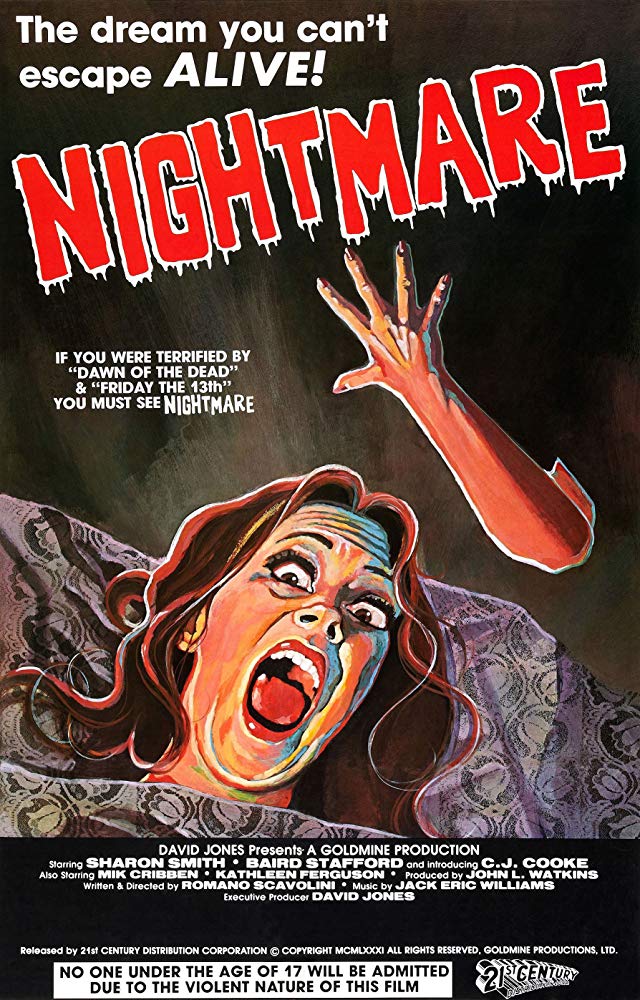
Despite some questionable casting choices and unconvincing acting in several minor roles, this curiosity is actually a serious study of derangement and childhood trauma, murderous impulses and psychosis, a story of a mental patient who escapes and heads south. Grisly and graphic, it features a helluva shock early on and never settles much into complacency. Unfortunately, the saga drags a bit as it proceeds, especially when it focuses on the obnoxious children of a dysfunctional family. (Mom is little better.) The ending is unnecessarily confusing, especially as it shouldn’t be, due to an inexplicable – and uncharacteristic – refusal to let the camera linger.

why did i watch this movie?

Notorious in its day, it fit a bunch of my usual touchstones.

should you watch this movie?

“You lose a dangerously psychotic patient from a secret experimental drug program, and all you can say is ‘I’m sorry’? … Paul, you believed in these drugs and – you rebuilt this man and you did put him back out on the street, but now –he’s out there killing people, and we can’t have that.”

highlight and low point

The insanely over-the-top initial murder scene has to top this list, but many other aspects of this production might jostle for position. Baird Stafford’s portrayal of the disturbed lead is unsettling, one particular murder is disconcertingly realistic, and the director doesn’t scrimp on now-amusing portrayals of computer analysis OR graphic shots of female pudenda. (Times Square peep shows.) The lines quoted above are spoken by a character played by the producer, so perhaps unsurprisingly, the production paradox rules here: one might think this film would have been better were it more professionally accomplished, but any such consideration probably would have denatured it too much.

rating from outer space: B−

Nattevagten aka Nightwatch (1994)

written and directed by ole Bornedal
thura film/danish film institute/danmarks radio

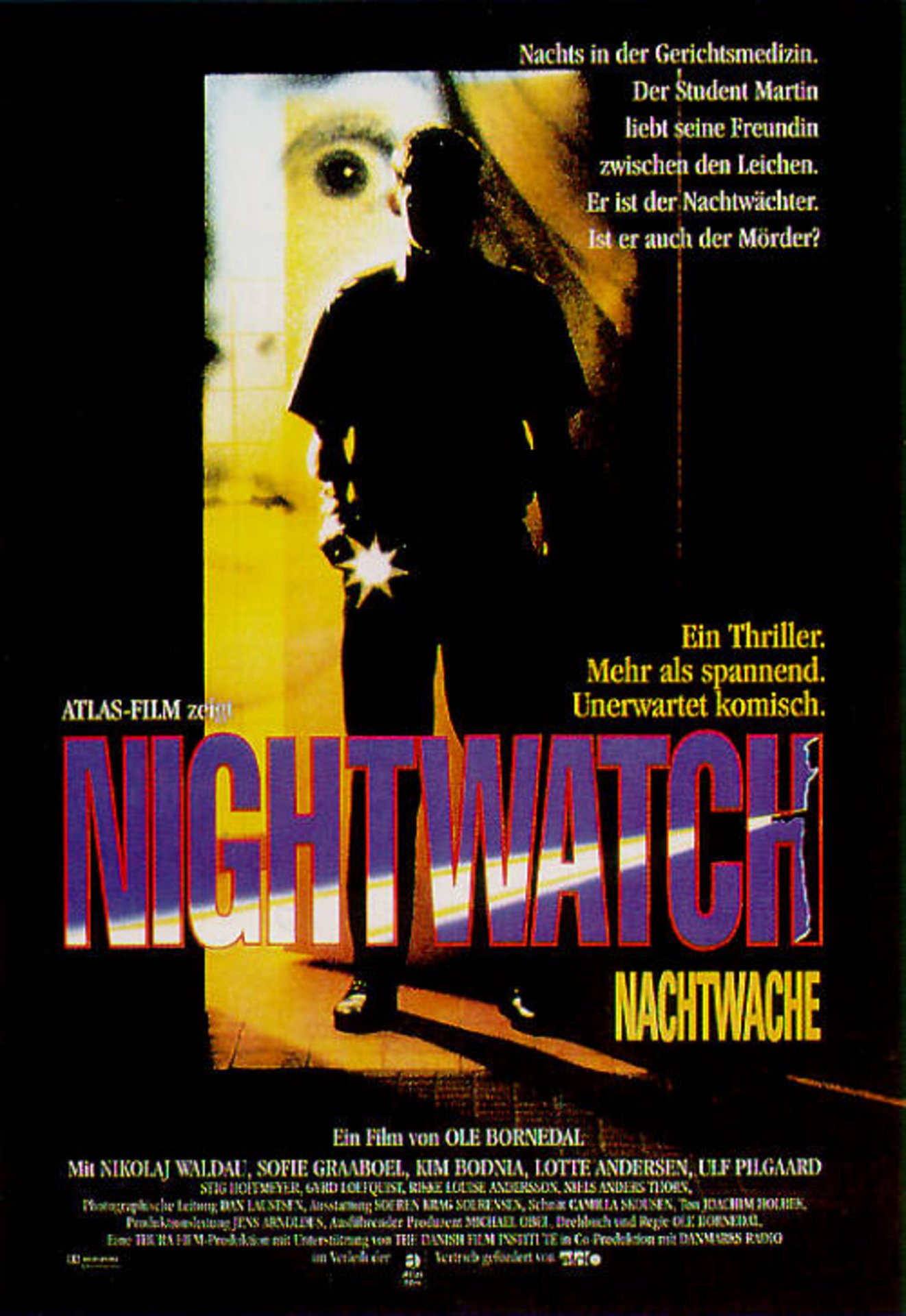
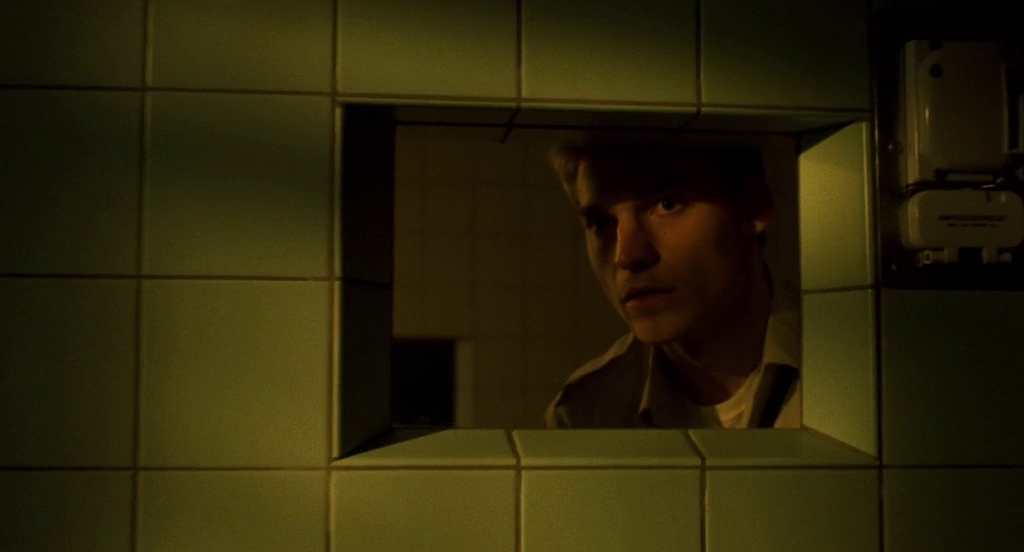
This melodramatic Norwegian DANISH thriller unspools very slowly, a study of the intertwined and dissipated lives of two college friends and their girlfriends. Martin, a law student, takes a late-night watchman’s job in a mortuary; his friend Jens seems mainly intent on drinking and causing problems. Meanwhile, a killer’s on the loose. INTERESTING, isn’t it. Little development of the story takes place until very late, at which point we are intended to wonder which of the main characters we are supposed to distrust. The requisite twist is effective enough, as it’s nurtured and revealed with subtlety, and it’s only somewhat after the fact that one realizes one could drive a goddamn truck through the very significant hole in the plot. The movie ends in laughter – on the screen, I mean; it has a happy ending. Bornedal remade it three years later in English.

why did i watch this movie?

This is yet another title I’ve mulled over many a time. I went ahead with it because it’s a ’90s production, and from Scandinavia.

should you watch this movie?

This is not the film to watch if you demand a lot of exciting action, though eventually significant unease does mount.

highlight and low point

An excruciatingly uncomfortable scene in a restaurant bests a similarly embarrassing moment in a church, and the unraveling of the mystery at the picture’s heart is downplayed to such an extent that its solution is presented in a winningly matter-of-fact sequence. Wondrously anticlimactic, it is. In the main role, Nikolaj Coster Waldau did not impress me much as a thespian. I mentioned the inexplicable plot issue, which is nearly as bad as the one that derailed the otherwise excellent Haute tension in 2003.

rating from outer space: B−

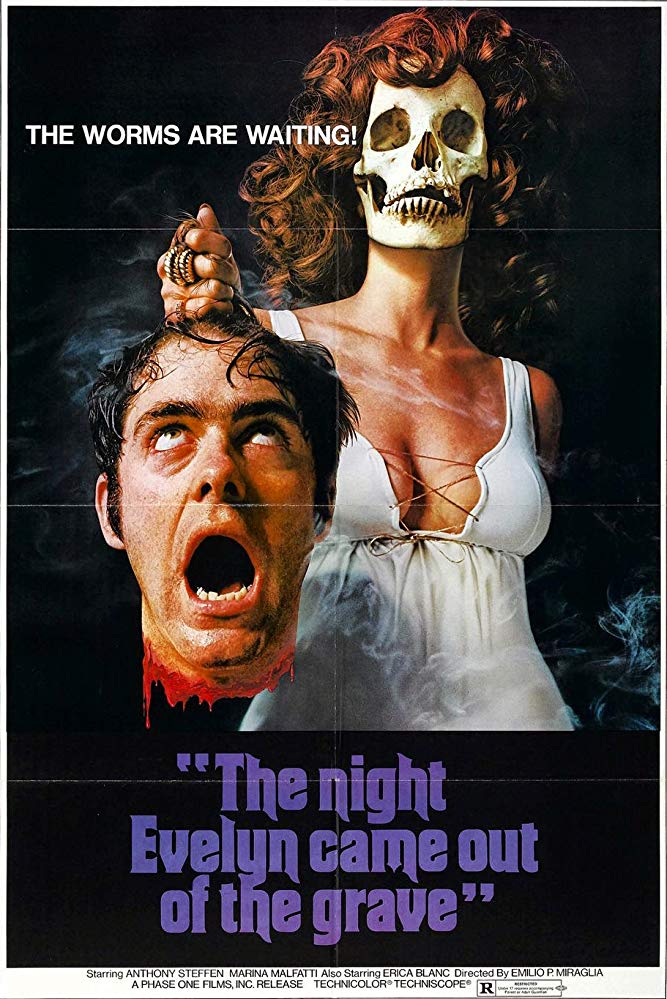
La notte che Evelyn uscì dalla Tomba aka The night Evelyn came out of the grave (1971)

directed by emilio p. miraglia
phoenix cinematografica roma s.p.a.

I don’t know about you, but with a title like this one, I found myself expecting a shoddily filmed 76-minute exploitation picture about vengeful undead … so in a sense I was sorely disappointed by this lavish Italian epic of misdirection and aristocratic shenanigans. I was NOT disappointed, however, by the fact that this film delights in trying to live up to the finest tradition of the giallo (the literal translation of which is “doesn’t make a lick of sense”*). But I WAS disappointed that everything resolves itself in a fairly straightforward manner. Of course, at least one major loose end isn’t even addressed, so that redeems matters somewhat. As for Evelyn and her grave, don’t even ask about that. Trust me.

*untrue

why did i watch this movie?

 I was perusing a website from which I download music, and someone posted this extravaganza’s soundtrack. I had to know more, what with the name and all.

should you watch this movie?

Though mildly diverting, it really doesn’t deliver the goods, as it never commits itself enough to do so. Hey, that’s a mild pun, as the storyline concerns the main character’s mental condition!

highlight and low point

Okay, seriously, a really good movie could have been constructed out of this muddle. Unfortunately, that’s not the movie they made. For instance, one or more characters is revealed not to be what he or she seems to be – but these revelations are irrelevant to anything that subsequently occurs. And once all the confabulations are sorted, it’s not unlike any standard episode of any crime or detective drama. Erika Blanc‘s role isn’t substantial enough, although her character’s disreputability compensates somewhat.

rating from outer space: c−

you keep this by your pool, too, right?