written, directed, edited by larry fessenden
glass eye pix/antidote films
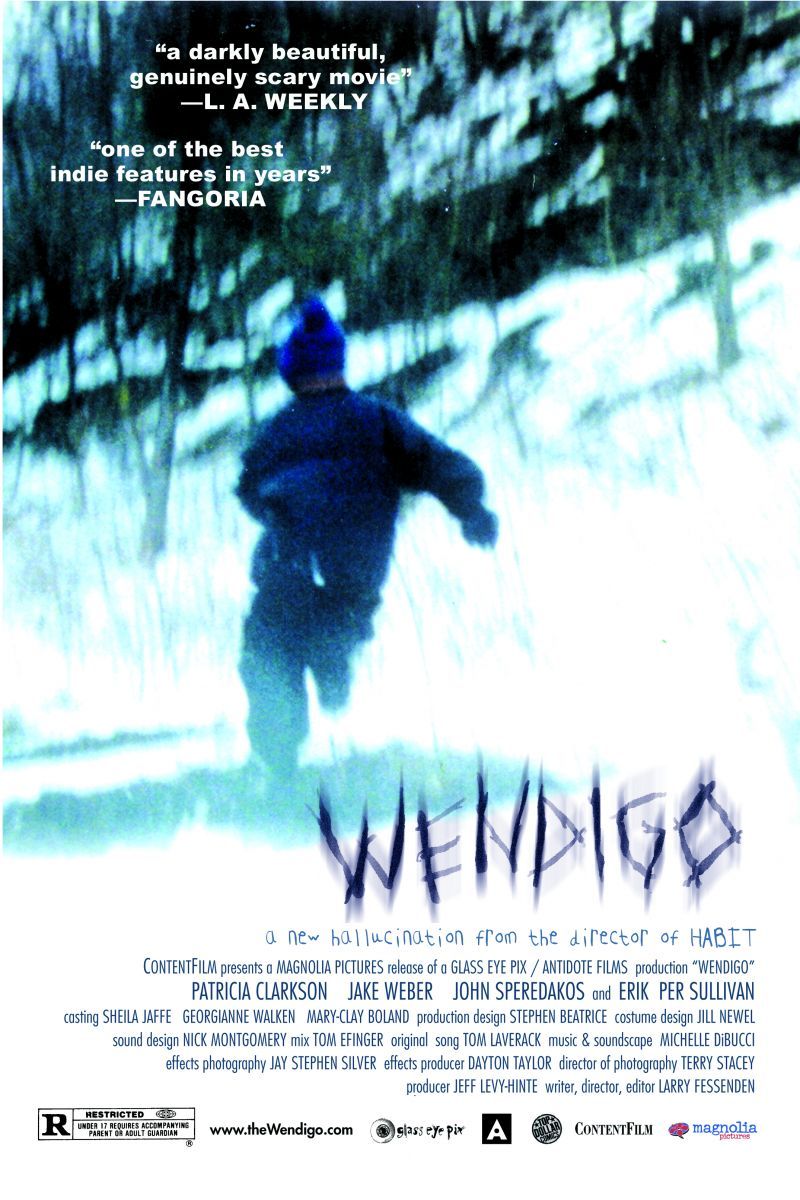 I had to more or less force myself to finish watching this tale of a weekend trip gone bad. I don’t think it was this picture’s fault, though, even if I neither found it particularly interesting nor would agree that it’s affecting and frightening. Maybe it’s a trend – the last couple films covered here haven’t really delivered the goods I have sought, plus it’s “baseball season” after a fashion, and I have a bunch of other stuff I gotta worry about, and, and, and. I know that’s a bit unfair. One thing I will say for this Larry Fessenden production: he got terrific acting jobs outta pretty much his entire cast. The naturalistic nature of most of the story really works, and paradoxically, therein lies some of the problem. The supernatural stuff, which eventually strives to establish a presence, doesn’t carry enough weight and mainly feels like an intrusion. I’m not at all sure the story even needed it.
 why did i watch this movie?
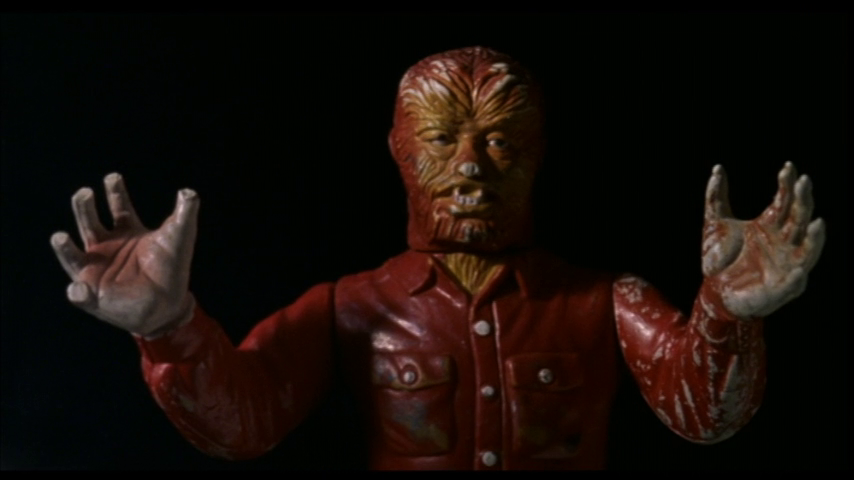
I’d like to say because it’s under Fessenden’s imprimatur and leave it at that, but that’s only partially the reason. It was the primary factor I paid attention to its inclusion in that same Fangoria book, however.
 should you watch this movie?

I’d prefer to be more positive here, because as often noted, I strongly support the independent film community. This offering doesn’t present a compelling argument, though.
highlight and low point
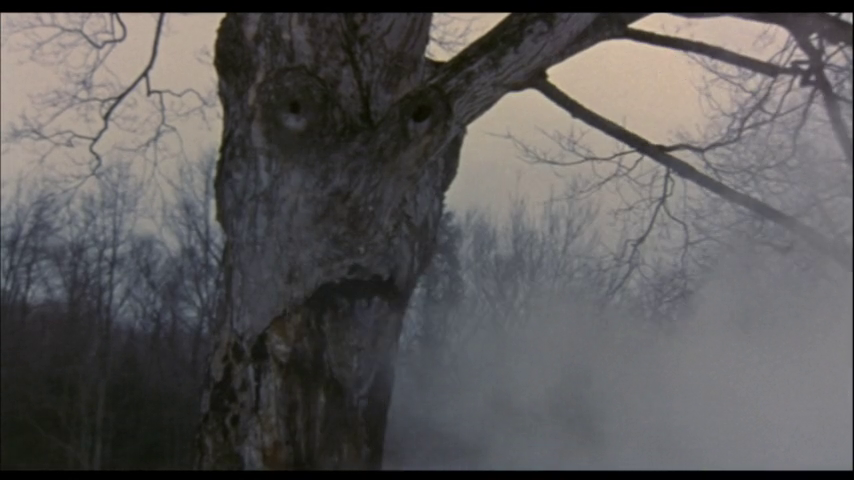 The family members (mom, dad, youth) are completely convincing as a unit. It’s a really finely wrought set of performances. The student-film camerawork had me rolling my eyes. And again, there’s a seeming dichotomy of purpose here, and the feature never seems to commit one way or another.
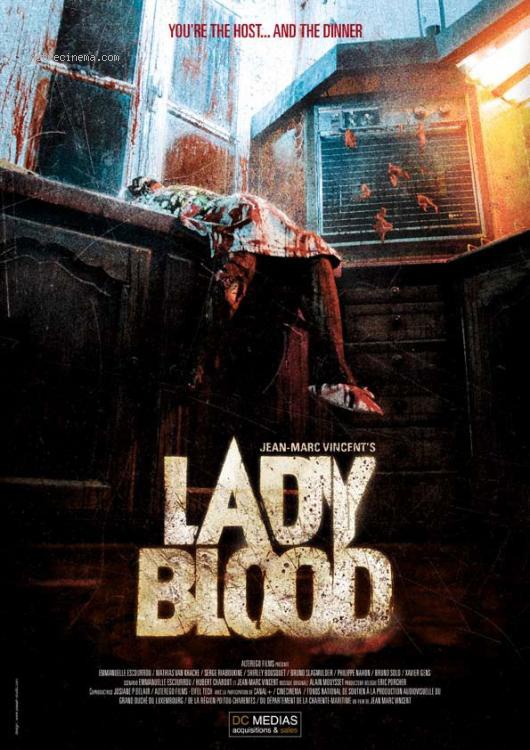










 I was more or less suffering my way through this at times excruciatingly hackneyed low-budget independent feature originally titled “Eat Your Heart Out” when an unexpected thing occurred – one of the funniest scenes I’ve enjoyed in a movie in quite a long time. This got me thinking about a number of concepts. One was why I stuck with this video production despite its obviously amateurish sheen, when with many others I never bothered to outlast the opening moments; another was why I wasn’t interested in panning the outcome. The simplest and most honest answer is to admit I’m not sure, but maybe it comes down to the fact that though this film is often hampered by scenes and dialogue that seem to be included mainly because such scenes and dialogue are what you get in a “movie” – often the case with this sort of picture – it isn’t held back by attempts at lowbrow appeal. Neither is it too self-conscious of being a friends-and-family kind of affair. Plus, the storyline is fairly creative. I was surprised, however, to find that the director has helmed a long list of projects.
 Basically the equivalent of the wave of American teen-idol horror flicks from the ’90s – except that it would have garnered a PG-13 rating – this Indonesian production features a 17-year-old female lead playing opposite an MTV VJ/pop singer. It’s a fairly typical ghost story, this time based on Malay folklore, involving a female entity whose spirit lives in a tree (in the cemetery next to the boarding house, natch) and is summoned into this world by the intonation of durma, a form of traditional Javanese song poem. In this particular case, the Kuntilanak enters our realm via antique mirrors. An occasional barely seen twitch might startle you, and the first couple times the ghastly spirit enters (or exits, I guess) from the mirror are pretty effective, but in the end, this picture is middling at best. It spawned two sequels, because of course it did, and a 2018 reboot – all from the same director, which may be a new world record.
 SPACE RATS From Outer Space