directed by alastair reid
yongestreet productions/tacitus productions
 Based on a novel with the unwieldy and unpromising title of “Nest in a Fallen Tree,” with a screenplay by Roald Dahl and starring his wife, this tale of suspense is very British, a study of drawing-room manners for the most part. Oh, but there’s a twist! Here we have a festering sense of resentment within the familial relationship that anchors the picture, a kinship upset and altered by the arrival of a young stranger. Now, some of what then occurs is basic dark British fodder; murders are perpetrated, suspicions are raised, and the village folk get to enjoy more of their favorite pastime (gossip, of course). Later, though, a murkier and more disturbing subplot develops, emotions are exploded, and the setting abruptly shifts entirely. An ambiguous ending completes the affair, which manages to entertain despite its lack of sensationalism.
why did i watch this movie?
I needed to balance out the recent spate of ’90s flicks – and I’ve lately covered a bunch of modern productions as well – so I sought a picture from the seventies, and this was the one I found.
should you watch this movie?
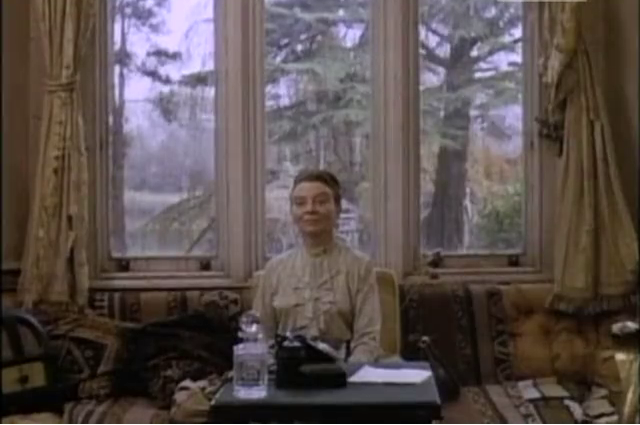
This is the sort of film that TV stations used to show on lazy weekend afternoons, as very little of it is at all lurid. It’s good, if understated, and definitely of a different era.
highlight and low point
The action takes off when a mysterious young man named “Billy” enters the tale, and I think we can all agree that’s a momentous circumstance. Actually, though, some displays of splendid acting, mainly concerning liminal expressions of emotion, are what impress most. Oddly, it appears this was an edited version of the movie, but I’m not sure any other rendition is readily available.


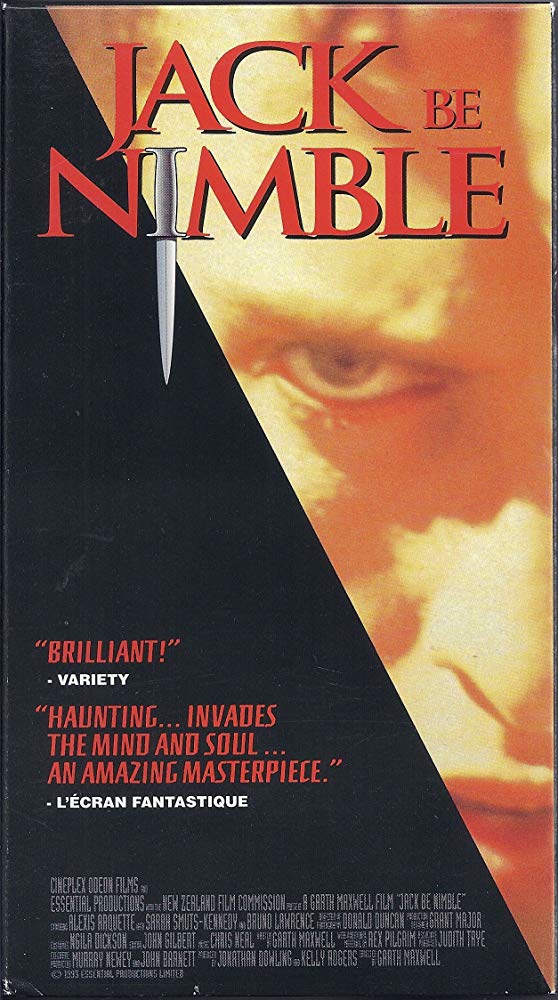




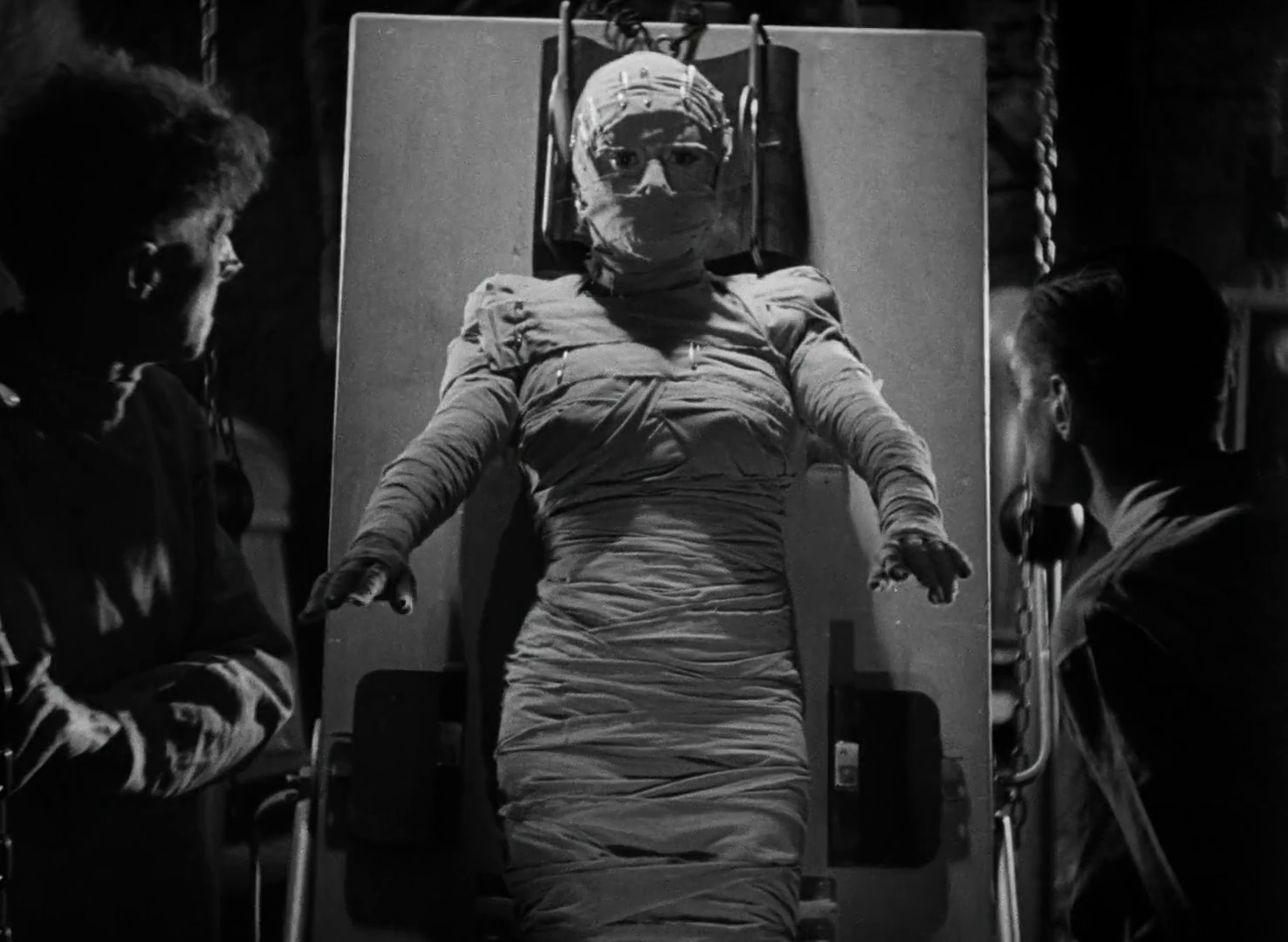
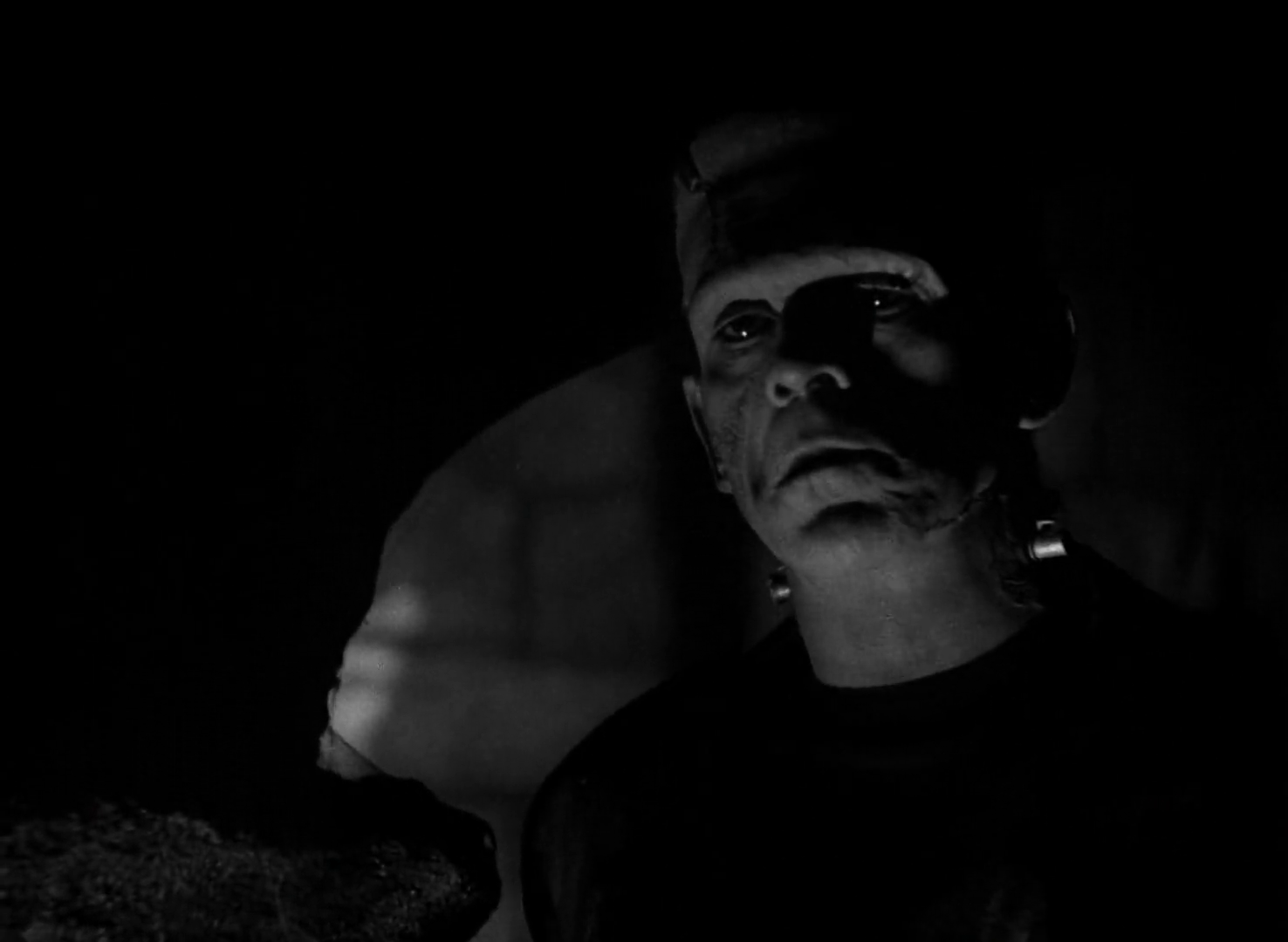
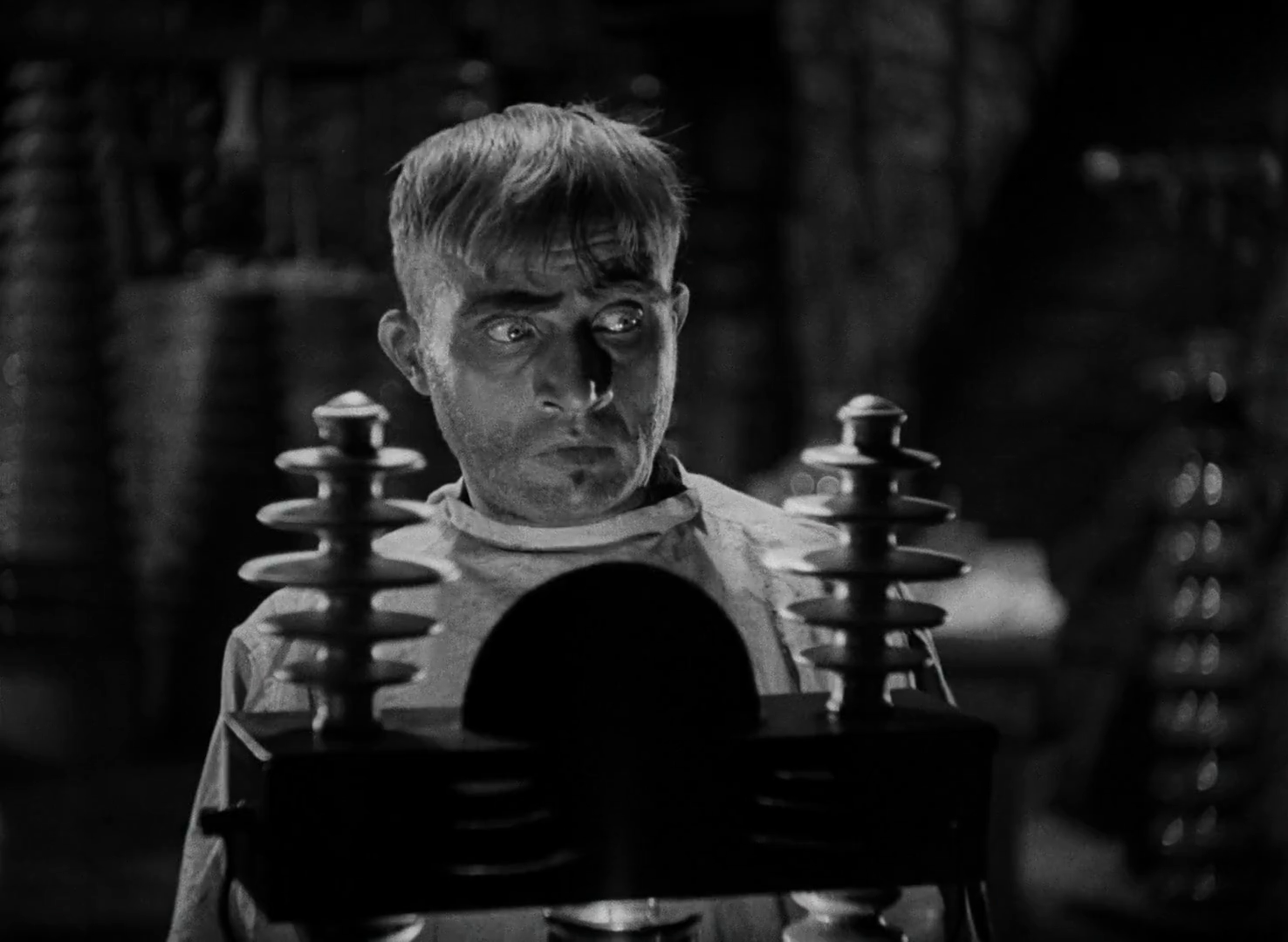



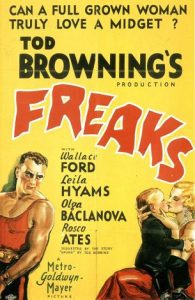 Disjointed as hell due to excessive editing undertaken in a doomed effort to make a disturbing revenge picture even somewhat palatable to a viewing public it never found, this disastrous flop remains one of Hollywood’s most ill-advised creations – for any number of reasons, not limited to how it may make its audience feel. One can only imagine how appalling the excised material must have been, and marvel as to the effect it could have added to a production that remains troubling after nearly a century. The decision to cast real circus sideshow performers was perhaps an inevitability, but the majority of them aren’t film actors and can’t much pretend to be. Saddest, though, is probably the loss of the chance to really experience the capacity for a full range of emotional responses from these morbidly maligned people, as only glimpses remain. As it is, 60-odd minutes doesn’t give anything of real resonance a real chance to coalesce, and what we’re left with often plays like a soap opera interspersed with sitcom skits. How this one ever got the green light remains a question to ponder.
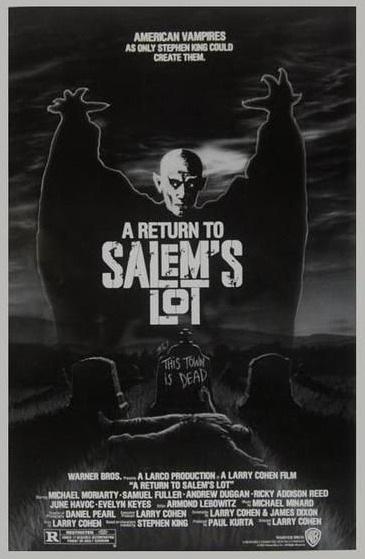
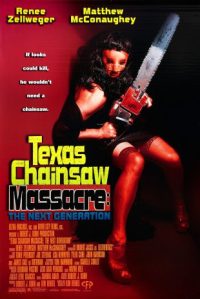 All right, so retconning this flick to be the sort-of “sequel” to the 1974 original makes sense. It’s at least half great: the first 45 minutes of this black horror comedy work well as a pastiche of the first go-round, with the added amusement of more modern horror motifs … which are basically updates of the original’s template anyway. Both unsettling and darkly humorous – much as the debut was meant to be, and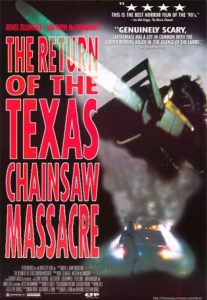
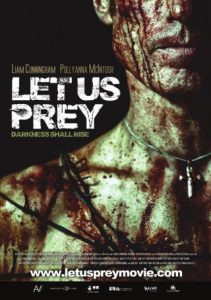 No, Marsha, I did NOT expect that I would be watching a morality play when I dialed up this Scottish/Irish co-production set mainly in a single location, that being a police station or whatever the hell they call it in their peculiar dialect over on the Auld Sod, distinctions further muddled by their brogue so that occasional lines of dialogue flew right past these bewildered and dB-damaged American ears. A morality play this is, however, about the souls of the guilty being claimed by You Know, in this case with the able yet hitherto unsuspecting assistance of a human female, played by The Woman
 SPACE RATS From Outer Space